
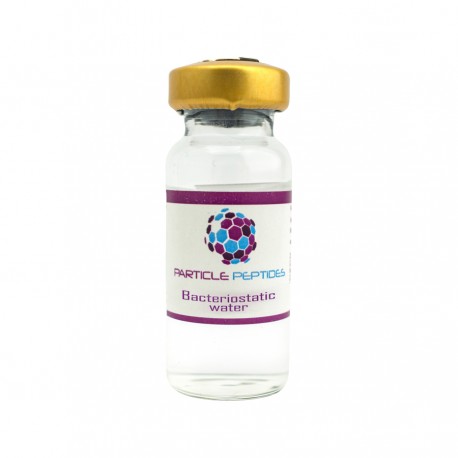
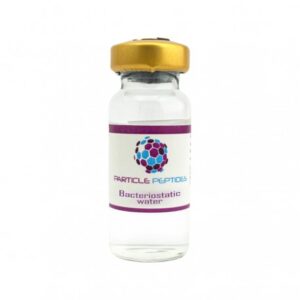
Bacteriostatic Water 10ml
€9.99
Bacteriostatic Water 10ml — Proven Peptide Reconstitution Diluent
Bacteriostatic water 10ml is the industry-standard diluent for the reconstitution of lyophilised peptides in scientific research settings. Formulated with 0.9% benzyl alcohol as a bacteriostatic preservative, this preparation inhibits microbial growth within the solution — enabling multi-use from a single vial over extended research periods without the risk of contamination that renders single-use sterile water preparations impractical for research workflows requiring repeated sampling. Supplied in a 10ml bottle, this product is manufactured and supplied for scientific research and development purposes only.
⚠️ Research Use Only. This product is intended exclusively for in-vitro scientific research. It is not approved for human or animal consumption, clinical use, injection, or any therapeutic application.
Table of Contents
- Product Specifications
- Bacteriostatic vs Sterile Water — Research Considerations
- Peptide Reconstitution Best Practices
- Storage and Handling
- FAQ
Product Specifications
| Parameter | Detail |
|---|---|
| Product | Bacteriostatic Water |
| Volume | 10ml |
| Unit | 1 Bottle |
| Physical Appearance | Transparent liquid |
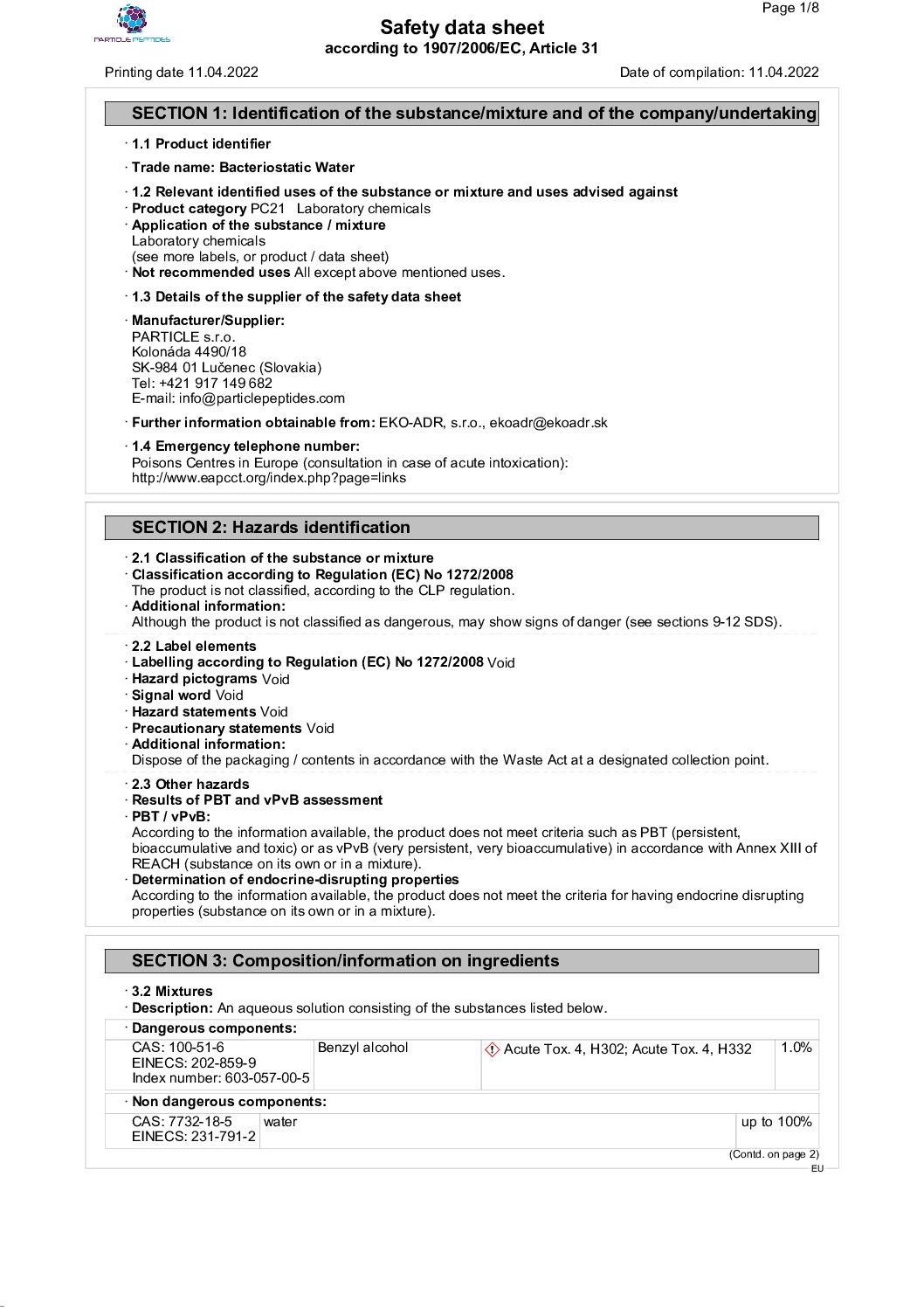
| CAS Numbers | 7732-18-5 (Water) + 100-51-6 (Benzyl Alcohol) |
| Preservative | 0.9% Benzyl Alcohol |
| Intended Use | Lyophilised peptide reconstitution — research only |
Bacteriostatic vs Sterile Water — Research Considerations
The choice between bac water 10ml and simple sterile water is a practical research decision with significant implications for workflow efficiency and sample integrity.
Sterile water — water that has been sterilised to eliminate microbial contamination — is a single-use preparation. Once opened, it is no longer sterile and cannot be safely reused without reintroducing contamination risk. For research workflows requiring a single, immediate reconstitution use, sterile water is appropriate.
Bacteriostatic water 10ml contains 0.9% benzyl alcohol — a preservative agent that inhibits the growth of bacteria, fungi and other microorganisms within the solution even after the vial has been opened. This bacteriostatic preservation enables the diluent to be used multiple times from the same bottle over an extended period without compromising reconstituted peptide integrity through microbial contamination.
For most research workflows involving lyophilised peptides — particularly those requiring reconstituted solutions to be stored at 4°C and used across multiple experimental timepoints — bacteriostatic water is the preferred and recommended diluent.
Peptide Reconstitution Best Practices
Proper reconstitution technique is critical to preserving the structural integrity and biological activity of lyophilised research peptides. The following protocol represents best practice for 10 ml bacteriostatic water reconstitution applications:
Step 1 — Temperature equilibration Allow the lyophilised peptide vial to reach room temperature before reconstitution. This reduces thermal stress on the peptide and minimises moisture condensation on the powder surface.
Step 2 — Slow solvent introduction Introduce bacteriostatic water slowly along the inner wall of the peptide vial rather than directly onto the lyophilised cake. This prevents mechanical disruption of the peptide structure and reduces foaming.
Step 3 — Gentle dissolution Allow the peptide to dissolve by gentle rotation or rocking. Do not shake, vortex or apply heat to accelerate dissolution — mechanical stress and elevated temperature can cause peptide aggregation or denaturation.
Step 4 — Visual confirmation The reconstituted solution should be clear and free from visible particulates before use. If particulates are present after the expected dissolution time, centrifuge briefly and re-examine before use.
Step 5 — Storage Store reconstituted peptide solutions at 4°C and use within the timeframe specified for the specific peptide compound. Protect from light and avoid repeated freeze-thaw cycles.
Storage and Handling
Store bacteriostatic water at room temperature away from direct light and heat sources. Do not freeze. Use with standard aseptic technique — wipe the septum with appropriate sterilising agent before each withdrawal. Discard if the solution appears discoloured, turbid or if particulates are visible.
Explore the complete range of research peptide reconstitution supplies alongside our Peptide Research compounds, or browse our full catalogue of Lyophilised Peptides for compounds requiring bacteriostatic water reconstitution.
FAQ
What is bacteriostatic water 10ml? Bacteriostatic water 10ml is a sterile water preparation containing 0.9% benzyl alcohol as a bacteriostatic preservative. It is the industry-standard diluent for reconstituting lyophilised peptides in research settings, enabling multi-use from a single vial without microbial contamination risk. Supplied in a 10ml bottle for in-vitro scientific research and development purposes only.
What is the difference between bacteriostatic water and sterile water? Sterile water is free of microorganisms but contains no preservative — once opened, it cannot be safely reused. Bacteriostatic water contains 0.9% benzyl alcohol which inhibits microbial growth after opening, enabling multiple withdrawals from the same vial over an extended period. For most research workflows involving lyophilised peptide reconstitution, bacteriostatic water is the preferred choice for its multi-use capability and extended peptide solution stability.
Is 5ml bac water available? This product is supplied as a 10ml bottle only. For smaller reconstitution volumes, 5ml bac water is not currently offered as a separate SKU — the 10ml format accommodates a wider range of research reconstitution requirements and provides a practical volume for multi-peptide research programmes. Multiple vials can be purchased for extended research use.
How much bacteriostatic water do I use per peptide vial? The reconstitution volume varies by peptide product — each peptide’s product page specifies the recommended solvent volume for the specific compound. Typical reconstitution volumes range from 1ml to 2.5ml per vial depending on the peptide quantity and the target working concentration required for your research assay. Always reference the specific peptide’s reconstitution instructions.
How should bacteriostatic water be stored? Store bacteriostatic water at room temperature away from direct sunlight and heat. Do not freeze. Use standard aseptic technique — wipe the vial septum before each withdrawal. Discard if the solution appears discoloured, turbid or contains visible particulates. Once opened, use within the timeframe appropriate to your research protocol.
2 reviews for Bacteriostatic Water 10ml
Add a review
Related products
Reproductive Health Research
Longevity and Anti-aging Research
Weight Loss Research
Reproductive Health Research
Core Peptides
Longevity and Anti-aging Research
Weight Loss Research
Immunity Enhancement Research
vorbelutrioperbir –
you have got an awesome weblog right here! would you like to make some invite posts on my weblog?
🏦 Top Up 236,538 $. GET – graph.org/BALANCE-3682444-USD-04-21-2?hs=13f2a38381bc53bf679b154e1d13a641& 🏦 –
qbor2y