


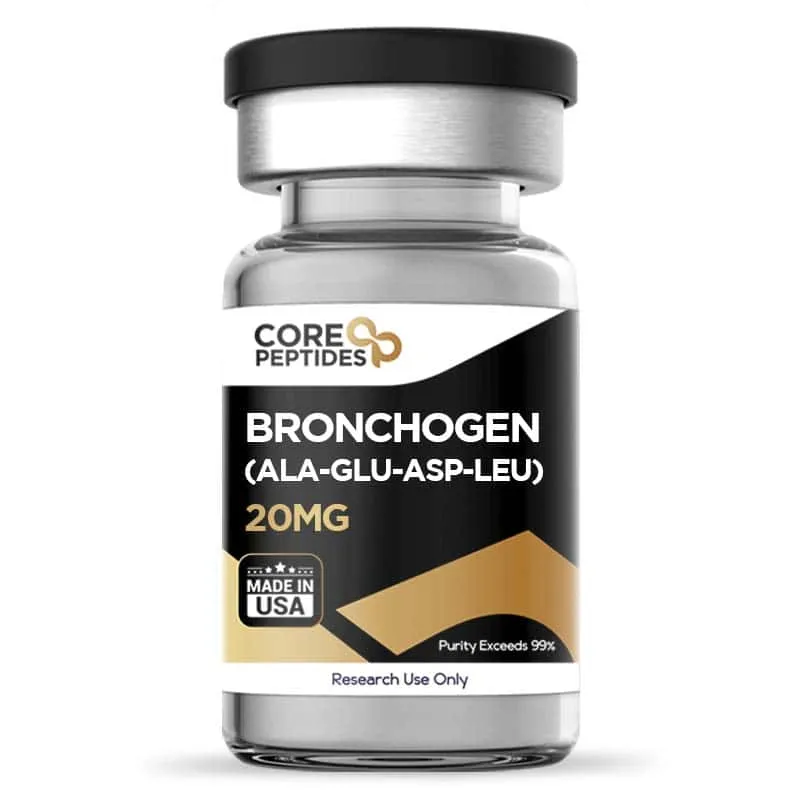

Bronchogen (AEDL) 20mg
€61.20
Bronchogen Peptide 20mg — Proven Lung Bioregulator Research Compound
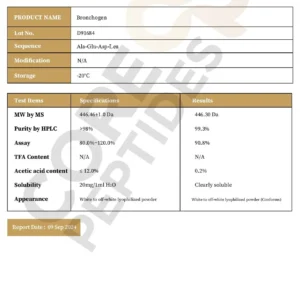
Bronchogen peptide — also designated AEDL — is classified among the Khavinson peptides: a family of short signalling bioregulator peptides suggested by researchers to cross cellular and nuclear membranes to directly interact with DNA, modulating gene expression in tissue-specific patterns. Bronchogen is specifically suggested to exhibit affinity for lung cells, with characterised potential to regulate the expression of key pulmonary transcription factors and genes involved in lung tissue biology. Supplied as a lyophilised powder in a single 20mg vial with a verified purity of >99%, this compound is manufactured for in-vitro scientific research.
⚠️ Research Use Only. This product is intended exclusively for in-vitro scientific research. It is not approved for human or animal consumption, clinical use, or therapeutic application.
Table of Contents
- Product Specifications
- Khavinson Bioregulator Classification
- Lung-Specific Gene Regulation Research
- Pulmonary Fibrosis Research
- DNA Methylation Research Context
- Research Applications
- Reconstitution and Storage
- FAQ
Product Specifications
| Parameter | Detail |
|---|---|
| Peptide | Bronchogen (AEDL) |
| Classification | Khavinson Bioregulator Peptide |
| Quantity | 20mg |
| Unit | 1 Vial |
| Form | Lyophilised powder |
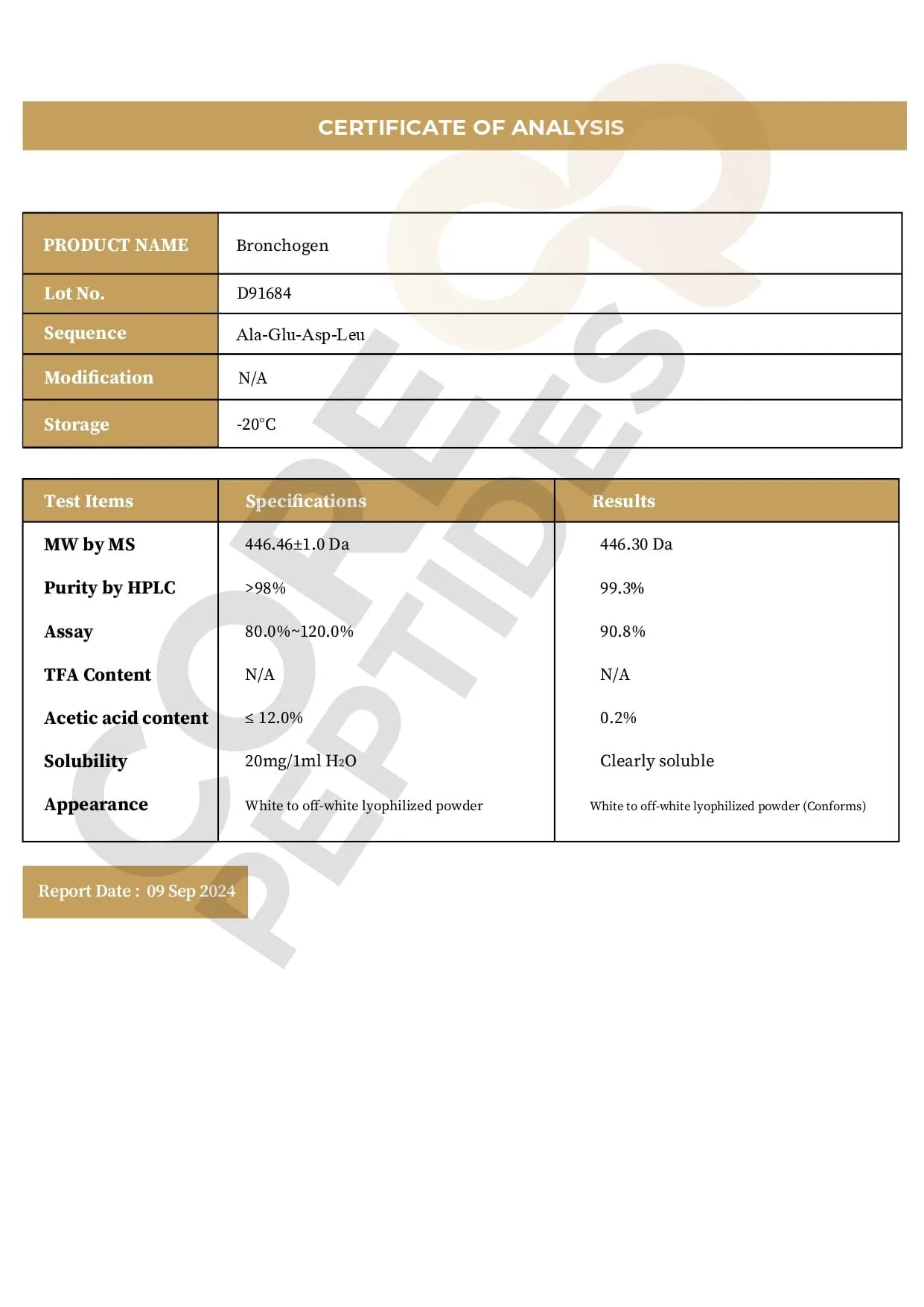
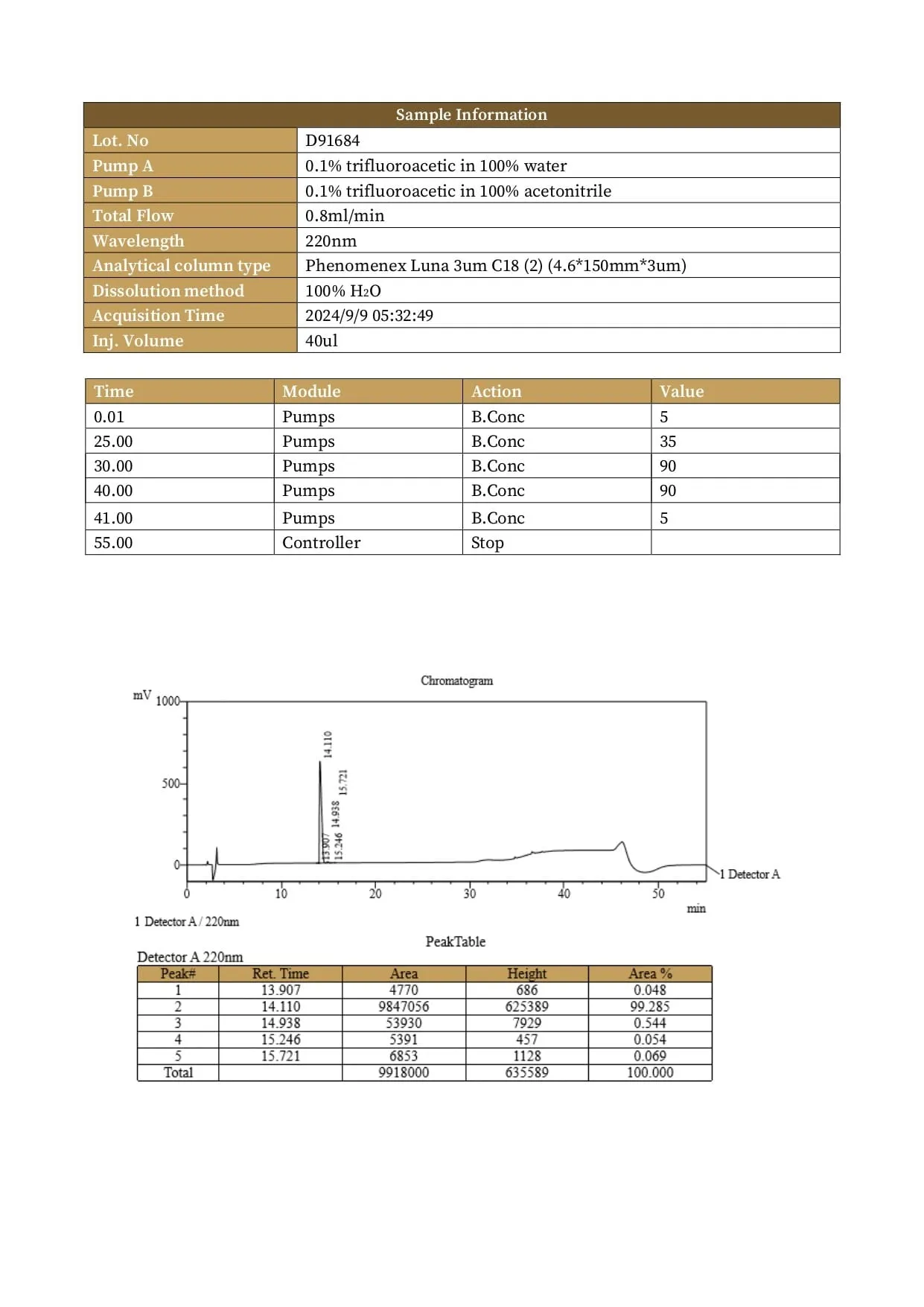
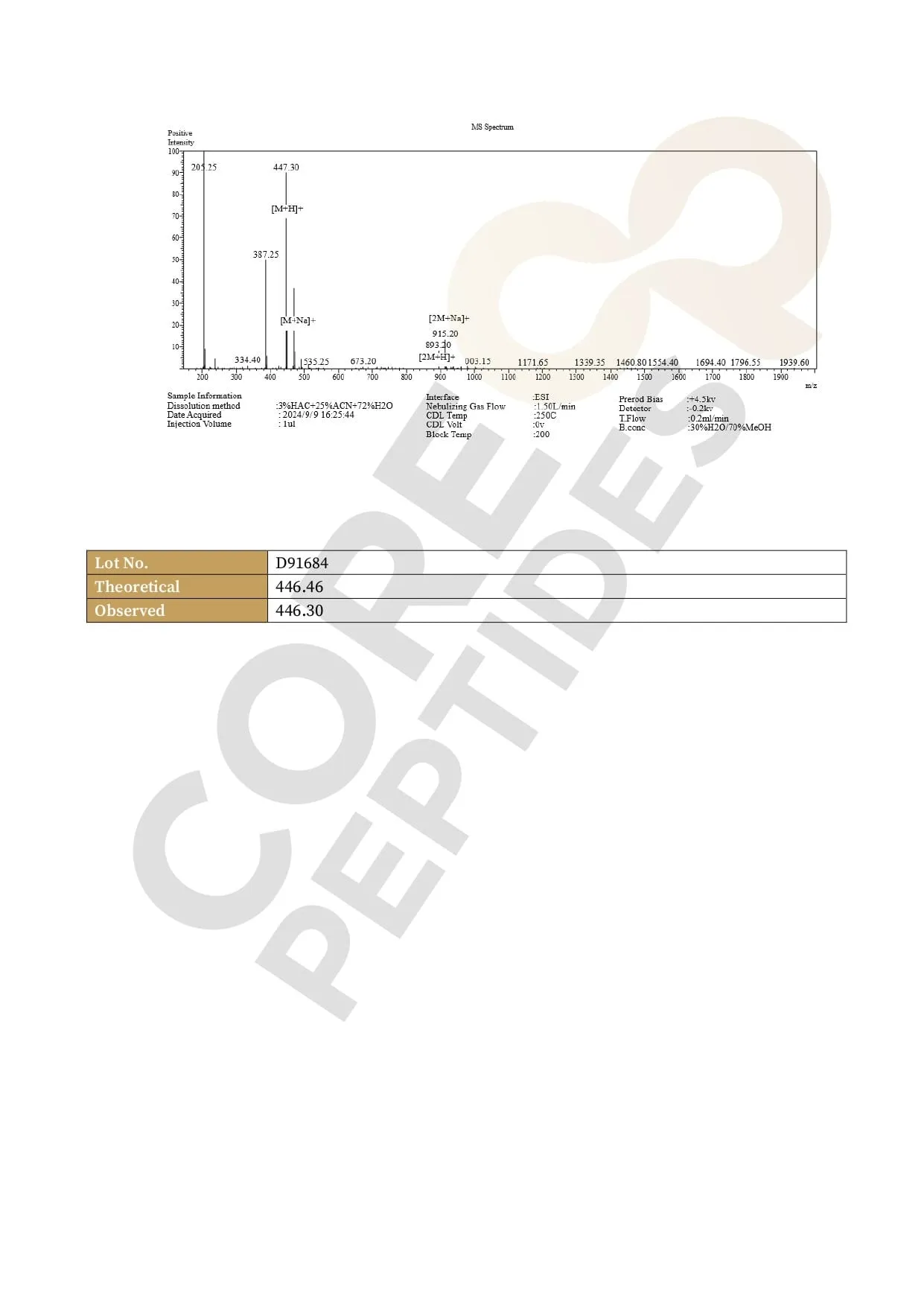
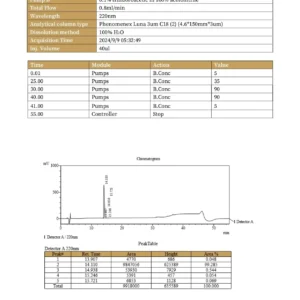
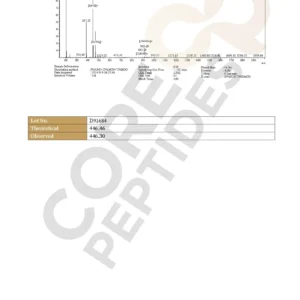
| Purity | >99% |
| SKU | P-BRONCHOGEN-20 |
Khavinson Bioregulator Classification
Bronchogen belongs to the Khavinson peptide family — short signalling peptides developed through the research programme of Professor Vladimir Khavinson and characterised as bioregulators: compounds that exert their biological activity through direct interaction with DNA rather than conventional receptor-ligand mechanisms.
The proposed bioregulator mechanism involves the capacity of these short peptides to cross both cellular plasma membranes and nuclear membranes — achieving direct nuclear access — where they interact with specific DNA sequences to modulate gene expression. This mechanism distinguishes Khavinson bioregulators from peptides that act at cell surface receptors, operating at the genomic level to influence transcriptional programmes in tissue-specific patterns.
Bronchogen’s tissue specificity for lung cells is the defining characteristic of this particular bioregulator — reflecting the targeted gene regulatory approach of the Khavinson peptide development framework, where peptide sequences were derived from or designed for specific organ contexts.
Lung-Specific Gene Regulation Research
The primary mechanistic research focus of bronchogen involves its suggested affinity for lung cell gene regulation. Research has characterised its potential to regulate the expression of five specific lung-relevant genes:
NKX2-1 — a transcription factor essential for lung development and the specification of lung epithelial cell identity, involved in the regulation of surfactant protein genes critical to alveolar function.
SCGB1A1 — secretoglobin family 1A member 1, expressed in bronchial Club cells (formerly Clara cells) and associated with airway protective functions and anti-inflammatory activity.
SCGB3A2 — secretoglobin family 3A member 2, a lung-expressed protein with investigated anti-inflammatory and airway protection properties.
FOXA1 and FOXA2 — forkhead box transcription factors that play critical roles in lung morphogenesis, airway epithelial cell differentiation and the maintenance of mature lung cell identity.
The regulation of this specific gene set — all of which are directly relevant to lung tissue identity, function and protection — provides the mechanistic foundation for Bronchogen’s classification as a lung-specific bioregulator research compound.
Pulmonary Fibrosis Research
The bronchogen peptide benefits investigation most extensively documented in the preclinical literature involves pulmonary fibrosis research. The compound has been suggested to potentially attenuate inflammatory reactions in the lungs of murine models with bleomycin-induced fibrosis — one of the most widely used and validated experimental models of pulmonary fibrotic disease.
Bleomycin-induced pulmonary fibrosis is characterised by progressive inflammatory infiltration, fibroblast activation and collagen accumulation in lung tissue — producing a research model with direct relevance to idiopathic pulmonary fibrosis (IPF) and related interstitial lung disease pathology. Bronchogen’s investigated capacity to attenuate inflammatory reactions in this model positions it as a research compound of interest in pulmonary fibrosis biology.
DNA Methylation Research Context
A mechanistically distinctive aspect of Bronchogen research involves its proposed affinity for CNG DNA sequences — sites that are targets for cytosine DNA methylation in eukaryotic cells. Authors in the research literature comment that the peptide may bind preferentially with deoxyribooligonucleotides containing CNG sequences.
This CNG binding affinity connects Bronchogen’s bioregulatory mechanism to epigenetic research — specifically to cytosine methylation, one of the primary epigenetic marks regulating gene expression. If Bronchogen’s bioregulatory activity operates through interaction with methylation-sensitive CNG sites, it would represent an epigenetically relevant mechanism of gene expression modulation — a research area of growing significance in lung biology, aging and disease investigation.
Research Applications
Bronchogen is investigated within the following approved in-vitro research domains:
- Lung-specific gene expression regulation (NKX2-1, SCGB1A1, SCGB3A2, FOXA1, FOXA2)
- Khavinson bioregulator mechanism and DNA interaction studies
- Pulmonary fibrosis and bleomycin-induced fibrosis model research
- Anti-inflammatory pathway investigation in lung tissue
- CNG sequence DNA methylation epigenetic research
- Airway epithelial cell biology and bronchial mucosa research
- Lung tissue protection and regeneration studies
Reconstitution and Storage
Reconstitute following standard lyophilised peptide protocols appropriate to your research application. Store lyophilised powder at −20°C. Once reconstituted, maintain at 4°C and use within the timeframe specified by your research protocol. Protect from light and avoid repeated freeze-thaw cycles.
Explore additional Khavinson bioregulator and lung research compounds in our Healing, Immunity and Anti-Age research categories.
FAQ
What is bronchogen peptide? Bronchogen peptide — designated AEDL — is a Khavinson bioregulator peptide suggested to cross cellular and nuclear membranes to directly interact with DNA and regulate gene expression in lung tissue. Research has characterised its potential affinity for lung cells and its capacity to regulate NKX2-1, SCGB1A1, SCGB3A2, FOXA1 and FOXA2 gene expression. It has been investigated in pulmonary fibrosis models for anti-inflammatory activity. Supplied as a 20mg lyophilised powder with >99% purity for in-vitro scientific research.
What are bronchogen peptide benefits characterised in research? Bronchogen peptide benefits characterised in research include lung-specific gene expression regulation across five pulmonary transcription factor genes, potential attenuation of inflammatory reactions in bleomycin-induced pulmonary fibrosis models, proposed CNG sequence DNA methylation interaction suggesting epigenetic regulatory activity, and airway epithelial cell biology investigation. These are research findings within approved in-vitro frameworks — this compound is not approved for therapeutic use.
What is the Khavinson bioregulator classification of bronchogen? Khavinson bioregulators are short signalling peptides developed through Professor Vladimir Khavinson’s research programme, characterised by their proposed capacity to cross cellular and nuclear membranes and directly interact with DNA to modulate gene expression. Bronchogen is classified in this category as a lung-specific bioregulator — its AEDL sequence proposed to exhibit preferential affinity for lung cell DNA regulatory sequences, particularly those associated with the NKX2-1, SCGB1A1, SCGB3A2, FOXA1 and FOXA2 transcription factors.
What is bronchogen’s relevance to pulmonary fibrosis research? Bronchogen’s relevance to pulmonary fibrosis research derives from its investigated capacity to attenuate inflammatory reactions in murine bleomycin-induced fibrosis models — a widely used preclinical representation of idiopathic pulmonary fibrosis pathology. The proposed mechanism involves lung-specific gene regulation that may reduce the inflammatory cascade driving progressive fibroblast activation and collagen accumulation in fibrotic lung tissue.
What is the CNG sequence binding significance in bronchogen research? The CNG sequence binding significance of bronchogen lies in the connection to DNA methylation biology. CNG sites are targets for cytosine methylation in eukaryotic cells — an epigenetic modification that regulates gene expression. Bronchogen’s proposed preferential affinity for CNG-containing DNA sequences suggests its bioregulatory mechanism may involve interaction with methylation-sensitive regulatory sites — connecting it to epigenetic research in lung biology, aging and fibrotic disease investigation.
1 review for Bronchogen (AEDL) 20mg
Add a review
Related products
Core Peptides

Muscle Growth research
Longevity and Anti-aging Research
Healing and Regeneration research
Healing and Regeneration research
Longevity and Anti-aging Research
Healing and Regeneration research

Immunity Enhancement Research
zoritoler imol –
F*ckin’ remarkable things here. I am very happy to see your article. Thanks a lot and i’m having a look forward to touch you. Will you please drop me a mail?