
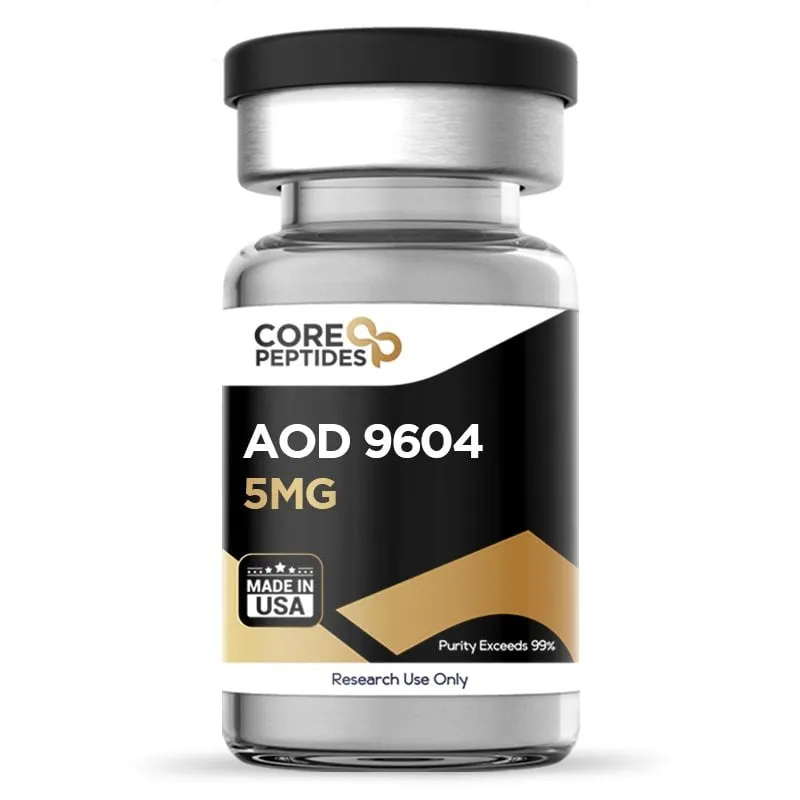
AOD 9604 5mg
€41.00
AOD9604 Peptide 5mg — Proven GH Lipolytic Fragment Research Compound
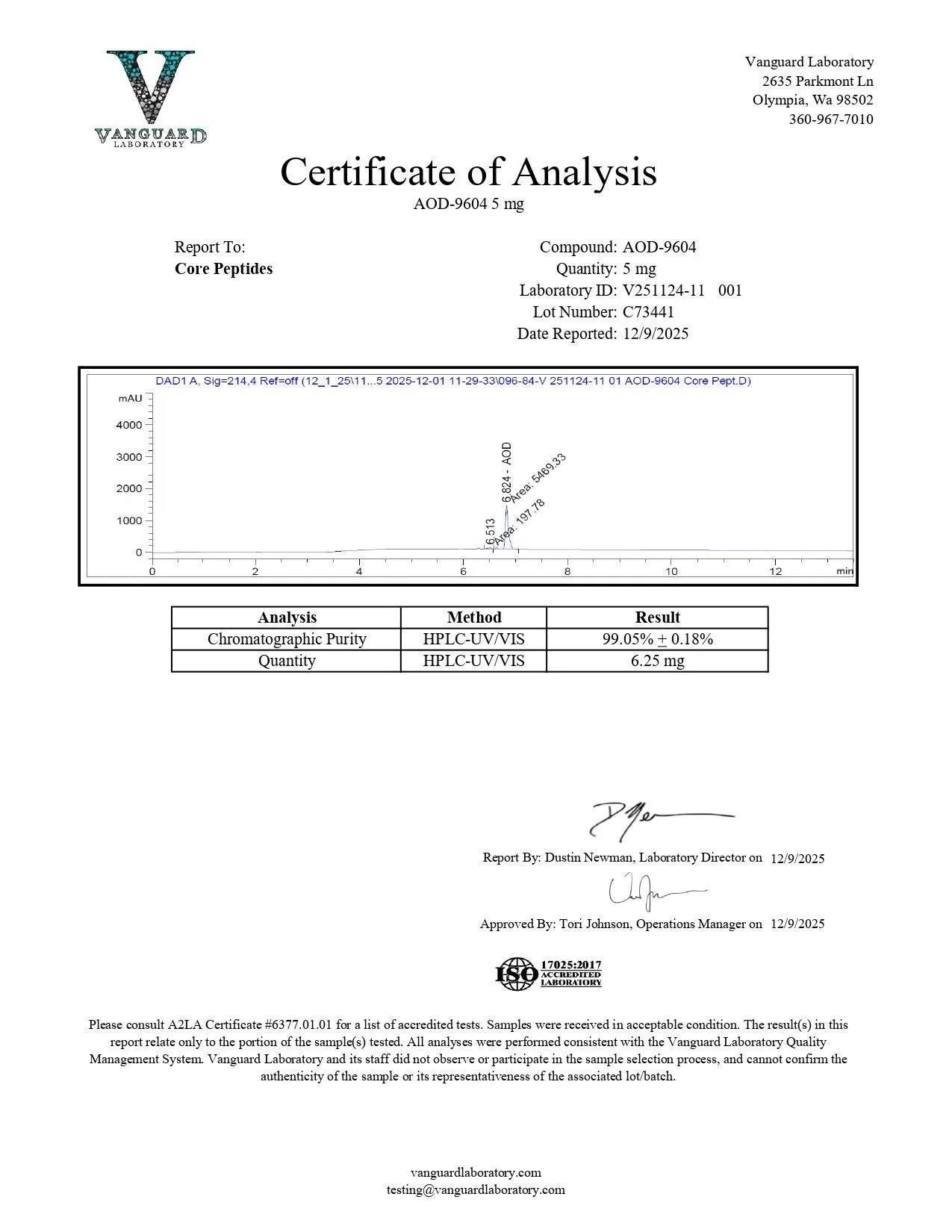
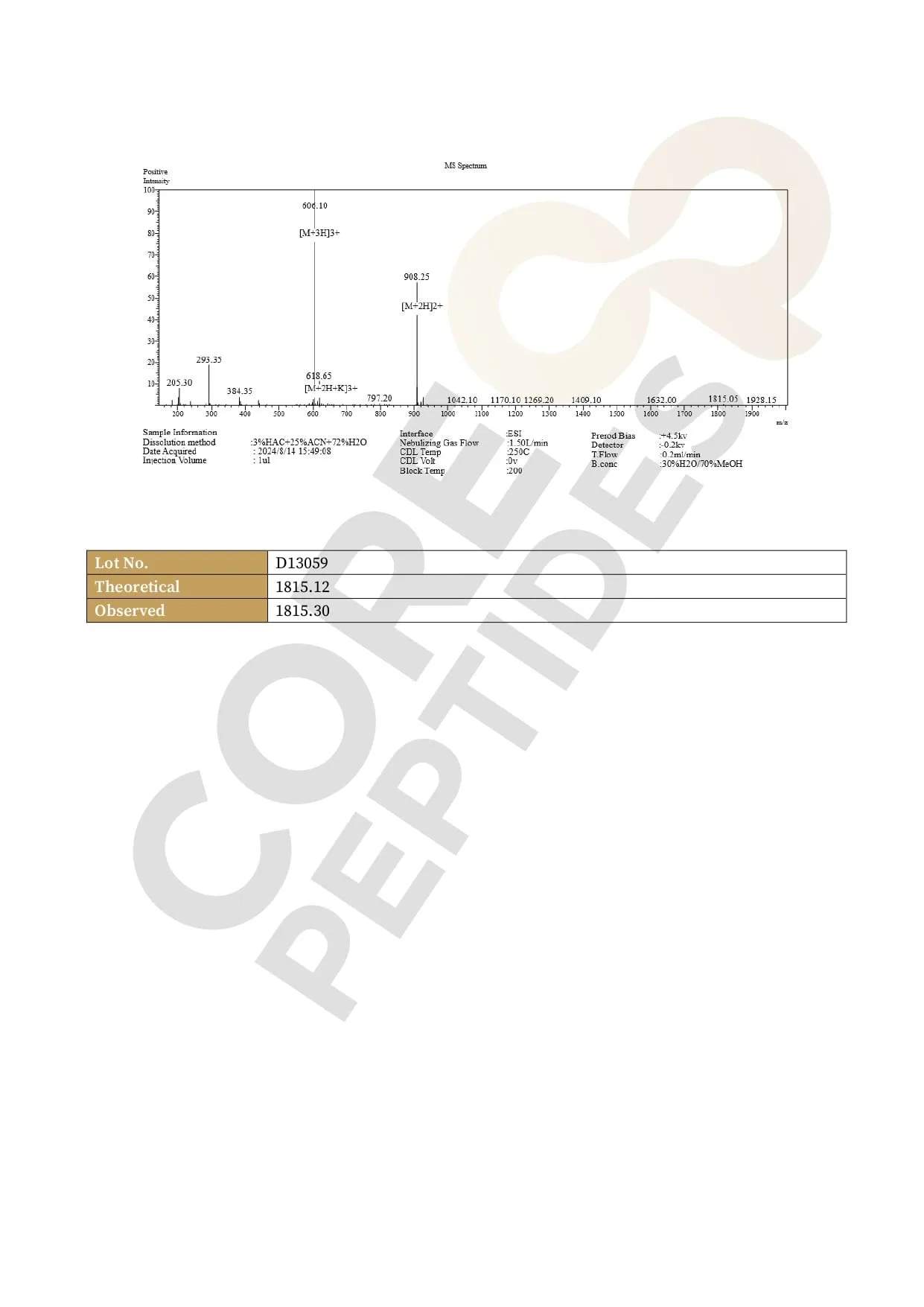
AOD9604 peptide is a modified synthetic analogue of the C-terminal fragment of human growth hormone — specifically a reproduction of amino acids 176–191 of the GH sequence, with a tyrosine residue introduced to replace the first amino acid at the N-terminus. This structural modification is considered by researchers to improve the peptide’s stability relative to the unmodified fragment. Designed with the specific intention of isolating the lipolytic activity associated with this region of the GH molecule, AOD-9604 has been investigated as a research tool for fat metabolism modulation and obesity biology. Supplied as a lyophilised powder in a single 5mg vial with a verified purity of >99%, this compound is manufactured to the standards required for in-vitro scientific research.
⚠️ Research Use Only. This product is intended exclusively for in-vitro scientific research. It is not approved for human or animal consumption, clinical use, or therapeutic application.
Table of Contents
- Product Specifications
- GH Fragment Architecture and Structural Context
- Lipolytic Mechanism Research
- Metabolic Selectivity Research
- Research Applications
- Reconstitution and Storage
- FAQ
Product Specifications
| Parameter | Detail |
|---|---|
| Peptide | AOD 9604 (GH Fragment 176-191) |
| Modification | Tyrosine N-terminus substitution |
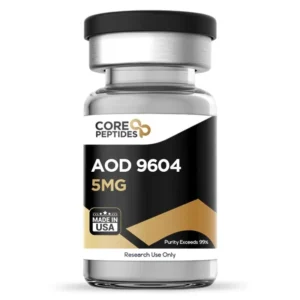
| Quantity | 5mg |
| Unit | 1 Vial |
| Form | Lyophilised powder |
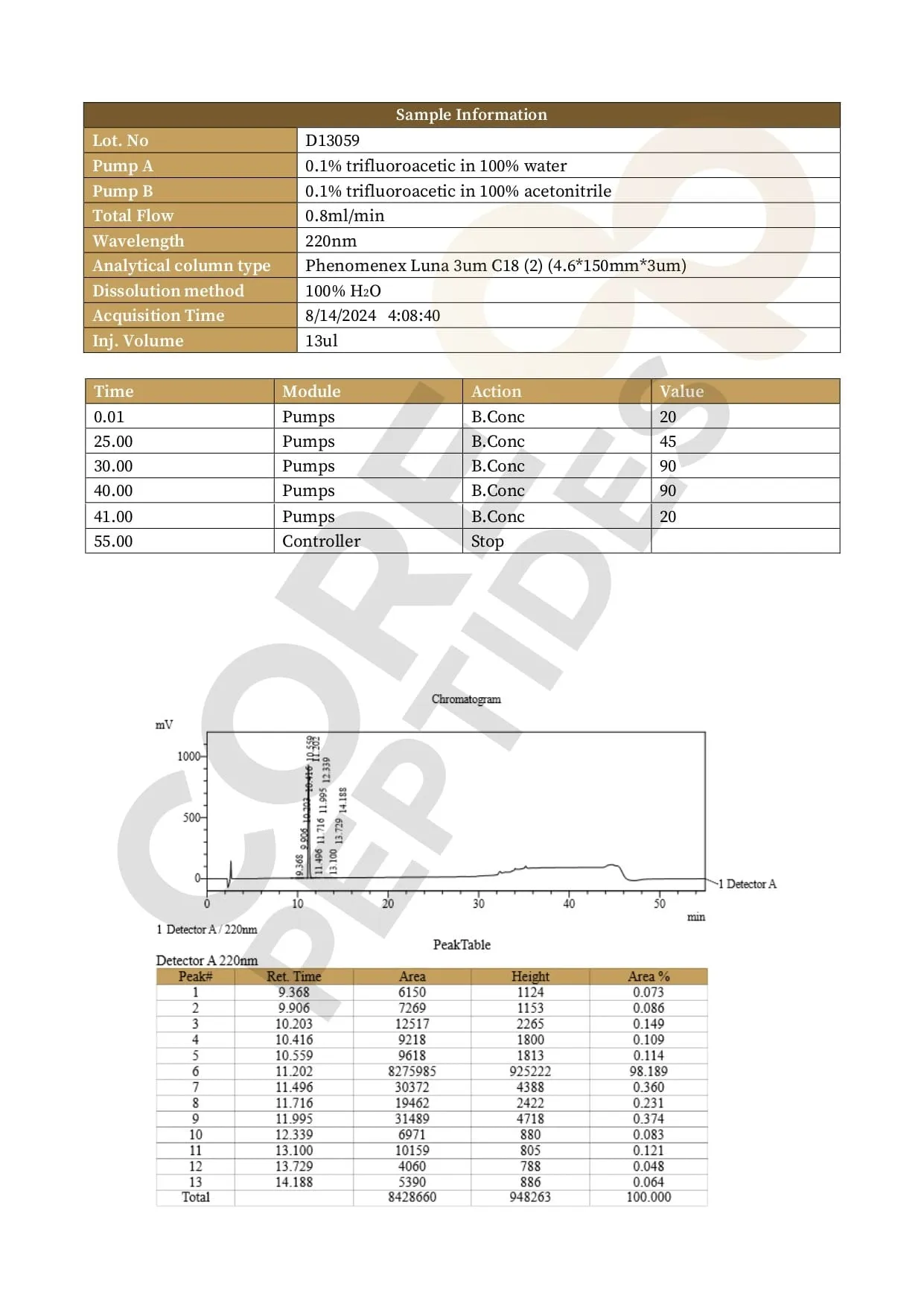
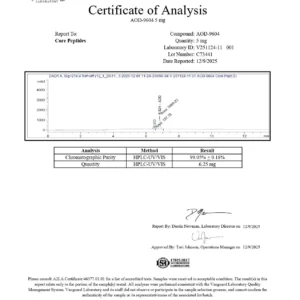
| Purity | >99% |
| SKU | P-AOD9604-5 |
GH Fragment Architecture and Structural Context
The 191-amino-acid structure of human growth hormone has been the subject of extensive research into the distinct functional regions of the molecule. Research has established that different segments of the GH sequence exhibit different biological potentials — the N-terminal region is associated with insulin-potentiating activity, while specific mid-sequence regions have been found to evoke mitogenic responses.
AOD 9604 — also designated GH Fragment 176-191 in the research literature — specifically reproduces the C-terminal 16 amino acids (176–191) of human GH. This region has been characterised as the lipolytic domain of the growth hormone molecule — the segment associated with fat breakdown activity rather than with the growth-promoting or insulin-related properties of other GH regions.
The tyrosine substitution at the N-terminus of aod peptides of this class is considered to enhance the fragment’s stability against enzymatic degradation — a structural modification that improves research utility by extending the compound’s effective activity window in in-vitro and preclinical model systems.
This isolation of the lipolytic domain from the broader GH molecule is the conceptual foundation of aod-9604 research — the possibility of studying fat metabolism modulation with reduced interference from the insulin-potentiating and mitogenic activities present in other GH regions.
Lipolytic Mechanism Research
The primary mechanism under investigation for aod 9604 research involves the stimulation of lipolysis — the metabolic breakdown of stored fat — through mechanisms that appear to be independent of the full-length GH molecule’s growth-promoting effects.
Research has characterised buy aod 9604 peptide as stimulating adipose tissue lipolysis through interaction with beta-adrenergic receptor pathways and downstream signalling cascades involved in triglyceride hydrolysis within adipocytes. The result is an increase in the rate at which stored fat is mobilised and made available as an energy substrate.
Simultaneously, research has examined AOD-9604’s potential to inhibit lipogenesis — the formation of new fat tissue from circulating substrates. The combination of enhanced lipolysis and inhibited lipogenesis in the same research model provides a mechanistically interesting profile for investigation of fat storage and energy balance regulation.
Metabolic Selectivity Research
A critical dimension of aod-9604 research is the investigation of its metabolic selectivity — specifically, whether the lipolytic activity of the GH fragment can be achieved without the blood glucose alterations and abnormal growth stimulation associated with full-length human growth hormone.
Research to date has not identified significant effects on blood glucose levels or inappropriate growth stimulation in models examining AOD 9604 — findings that suggest a meaningful degree of metabolic selectivity relative to full-length GH. This selectivity is of direct research relevance in obesity biology, where the glucose-altering and growth-stimulating properties of full-length GH would represent unacceptable confounding variables in metabolic investigation.
Research Applications
AOD 9604 is investigated within the following approved in-vitro research domains:
- Adipose tissue lipolysis stimulation research
- Lipogenesis inhibition investigation
- Obesity and metabolic syndrome biology
- GH fragment pharmacology and structure-activity studies
- Beta-adrenergic receptor pathway research in adipocytes
- Energy homeostasis and substrate mobilisation investigation
- Metabolic selectivity research relative to full-length GH
Reconstitution and Storage
Reconstitute following standard lyophilised peptide protocols appropriate to your research application. Store lyophilised powder at −20°C. Once reconstituted, maintain at 4°C and use within the timeframe specified by your research protocol. Protect from light and avoid repeated freeze-thaw cycles.
Explore additional fat metabolism and weight loss research compounds in our Weight Loss, Longevity and Anti-Age and Healing research categories.
FAQ
What is AOD9604 peptide? AOD9604 peptide is a modified synthetic analogue of human growth hormone fragment 176-191, designed to isolate and research the lipolytic activity of the GH C-terminal domain. It includes a tyrosine N-terminus substitution for improved stability. Research has examined its capacity to stimulate lipolysis and inhibit lipogenesis without the blood glucose alterations or growth stimulation associated with full-length GH. Supplied as a 5mg lyophilised powder with >99% purity for in-vitro scientific research.
How does AOD-9604 differ from full-length human growth hormone? AOD-9604 reproduces only residues 176–191 of the 191-amino-acid GH molecule — the region specifically associated with lipolytic activity. Full-length GH contains additional domains with insulin-potentiating activity and mitogenic properties. Research has not identified significant blood glucose alteration or abnormal growth stimulation with AOD 9604 — suggesting meaningful metabolic selectivity that makes it a more precise research tool for fat metabolism investigation than full-length GH.
What are aod peptides and how does AOD 9604 fit this category? AOD peptides refers to the class of anti-obesity domain peptide fragments derived from or related to human growth hormone — with AOD 9604 as the primary and most extensively studied example. These fragments are characterised by their intended focus on the lipolytic domain of GH rather than its growth-promoting or insulin-related regions, making them research tools specifically relevant to fat metabolism and obesity biology investigation.
Where can I buy AOD 9604 peptide? Buy AOD 9604 peptide options are available through specialist research peptide suppliers. This compound is supplied strictly for in-vitro scientific research. It is not approved for human consumption, therapeutic use or clinical application. Researchers should ensure compliance with all applicable institutional and regulatory requirements.
What is the tyrosine modification in AOD-9604? The tyrosine substitution at the N-terminus of AOD-9604 replaces the first amino acid of the native 176-191 GH fragment sequence. This modification is considered by researchers to improve the peptide’s resistance to enzymatic degradation — enhancing its stability in in-vitro and preclinical research environments. The modification does not fundamentally alter the lipolytic activity profile associated with the 176-191 fragment, which is the primary mechanistic focus of AOD 9604 research.
1 review for AOD 9604 5mg
Add a review
Related products
Weight Loss Research
Core Peptides
Healing and Regeneration research
Core Peptides
Cognitive Enhancement Research
Muscle Growth research
Muscle Growth research
Healing and Regeneration research
vorbelutr ioperbir –
I got what you intend, thanks for posting.Woh I am delighted to find this website through google.