

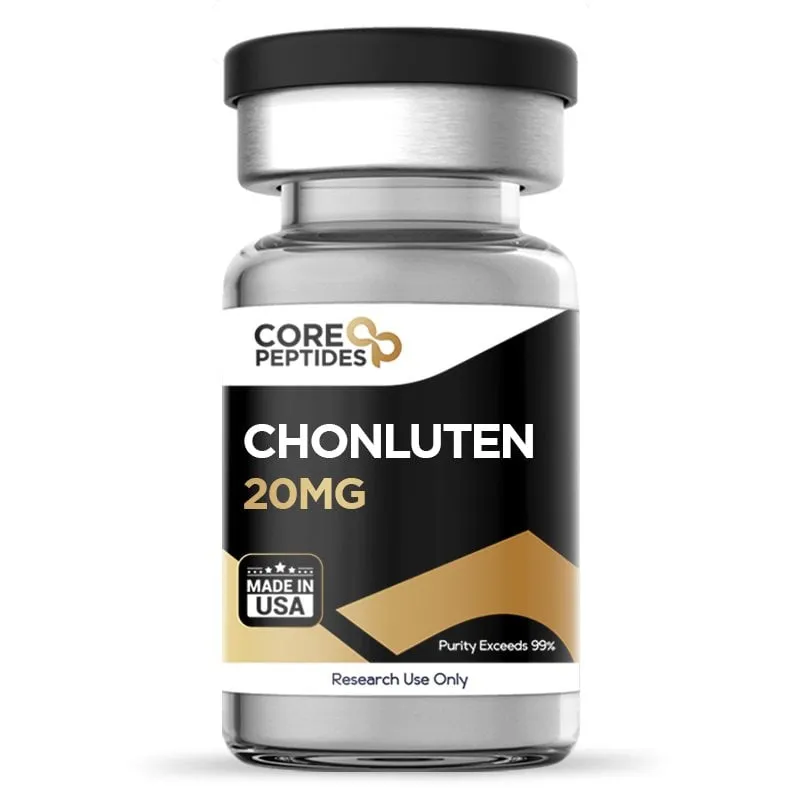
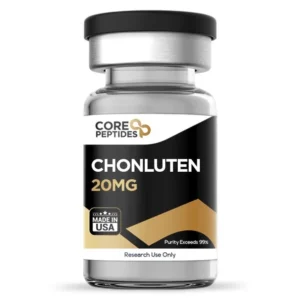
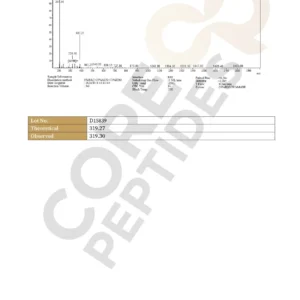
Chonluten (EDG / T-34) 20mg
$45.90
Chonluten Peptide 20mg — Proven Respiratory Bioregulator Research Compound
Chonluten peptide — also designated EDG tripeptide or T-34 — is a synthetic tripeptide containing glycine, glutamine and asparagine, researched for its potential to regulate physiological processes of the respiratory system by influencing inflammation and cellular proliferation. As a Khavinson-class peptide bioregulator, it is considered to normalise the performance of bronchial mucous membrane cells and restore mechanisms of anabolism and catabolism critical to functional tissue. Its investigated capacity to increase the lifespan of mesenchymal stem cells and induce molecular mechanisms that contrast senescence positions it at the intersection of respiratory biology and aging research. Supplied as a lyophilised powder in a single 20mg vial with a verified purity of >99%, this compound is manufactured for in-vitro scientific research.
⚠️ Research Use Only. This product is intended exclusively for in-vitro scientific research. It is not approved for human or animal consumption, clinical use, or therapeutic application.
Table of Contents
- Product Specifications
- Respiratory System Regulation Research
- Bronchial Mucosa Research Profile
- Mesenchymal Stem Cell and Senescence Research
- Gastrointestinal Research Context
- Research Applications
- Reconstitution and Storage
- FAQ
Product Specifications
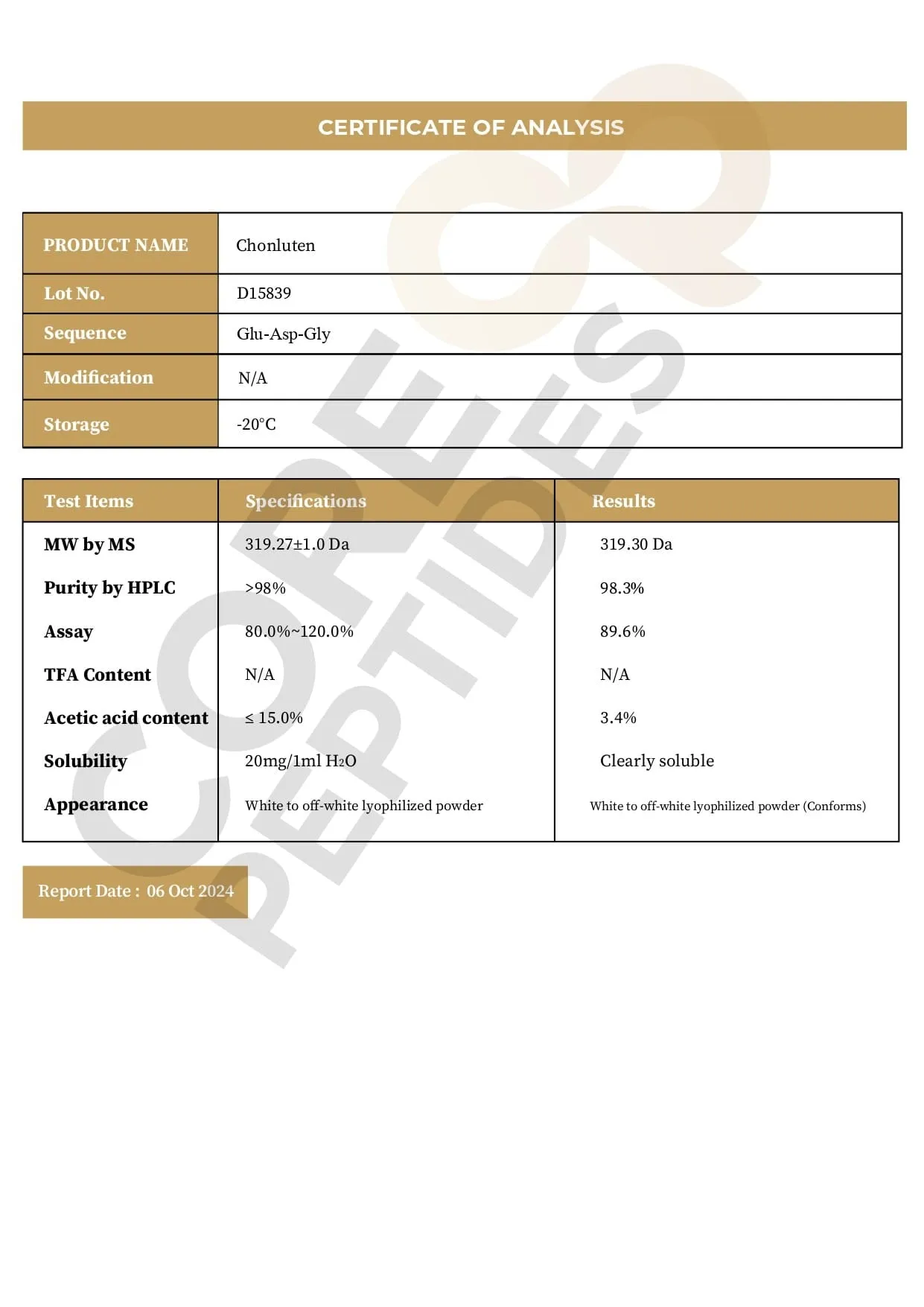
| Parameter | Detail |
|---|---|
| Peptide | Chonluten (EDG / T-34) |
| Composition | Glycine-Glutamine-Asparagine |
| Classification | Tripeptide Bioregulator |
| Primary Target | Respiratory / Lung Tissue |
| Quantity | 20mg |
| Unit | 1 Vial |
| Form | Lyophilised powder |
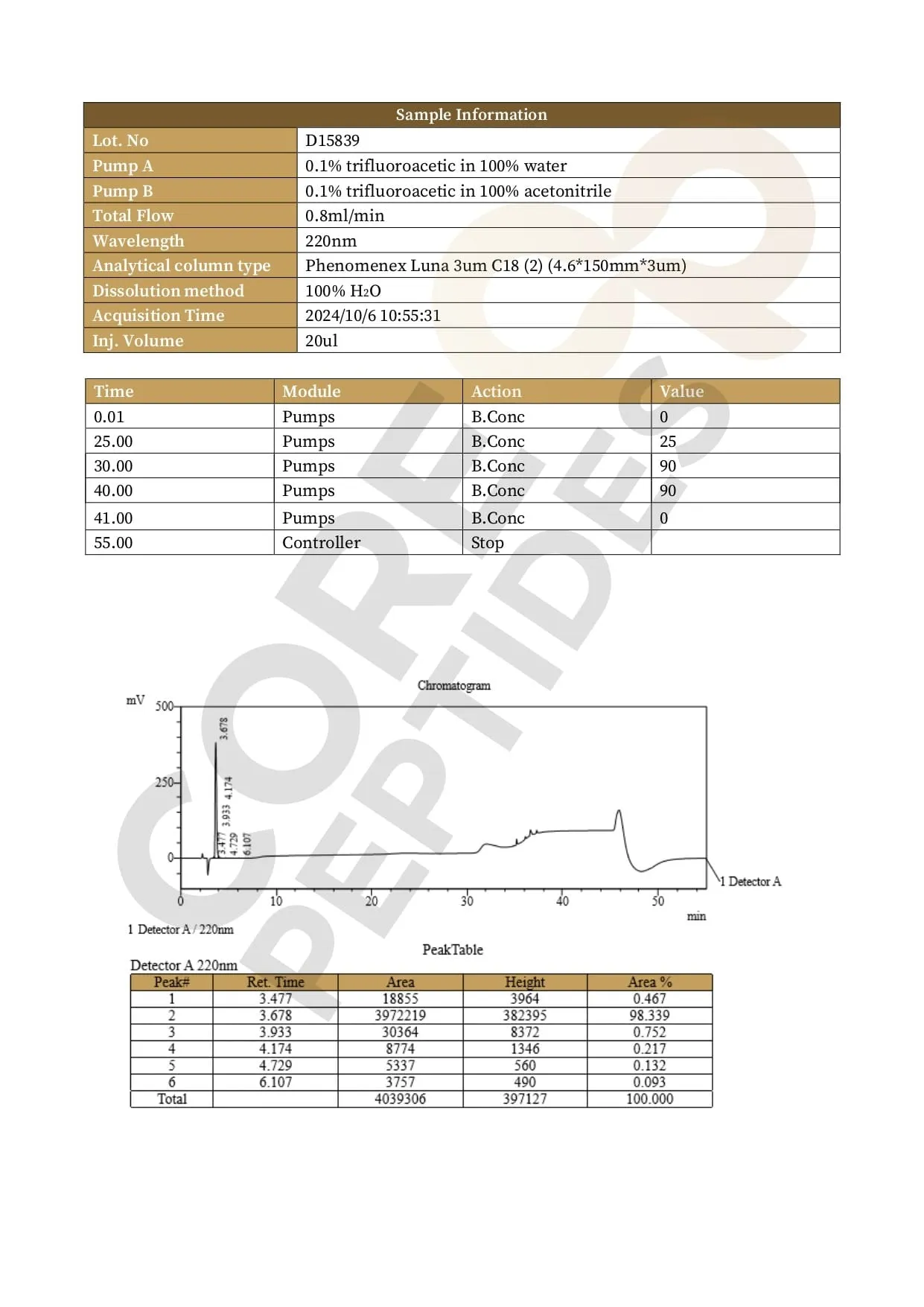
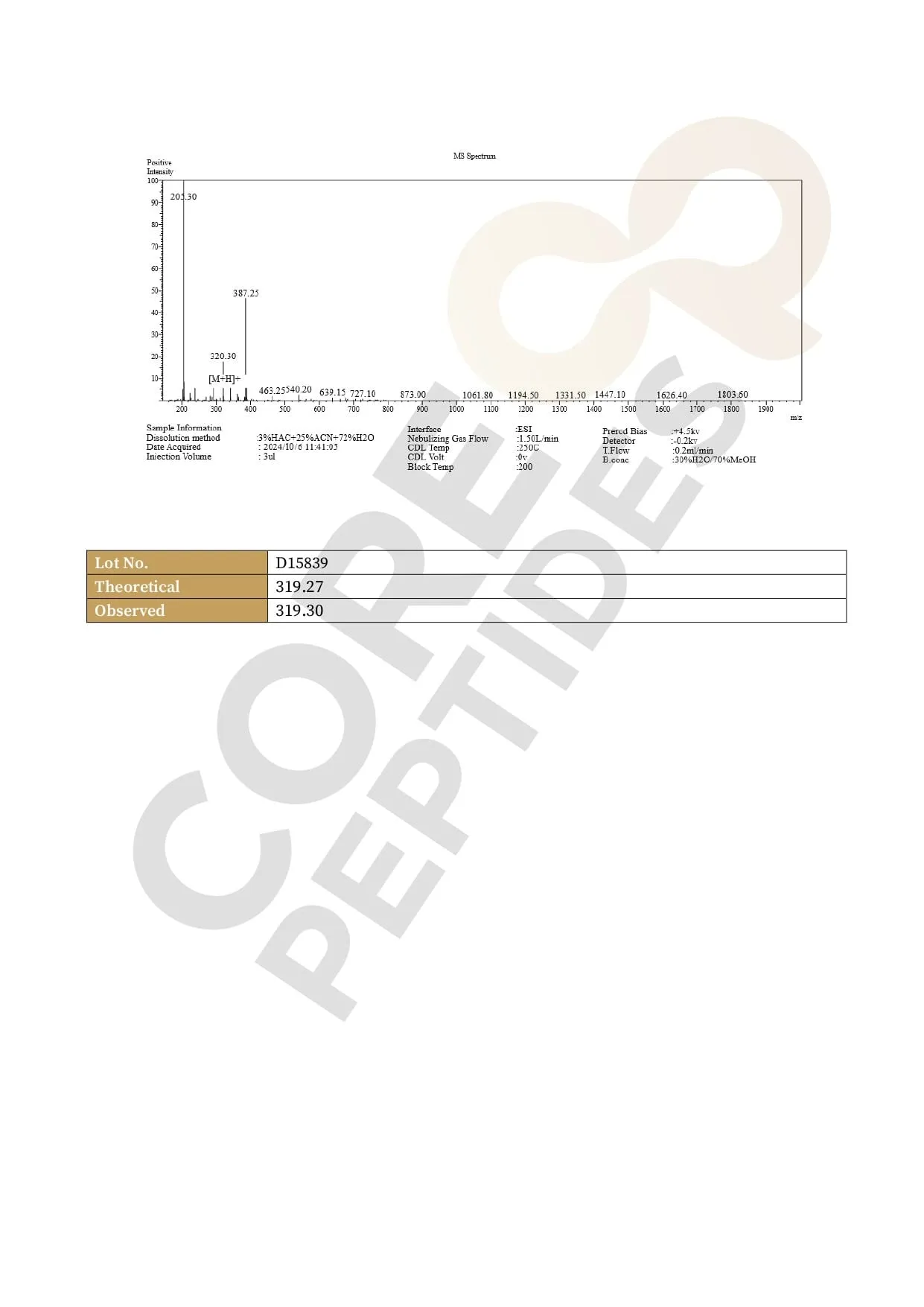
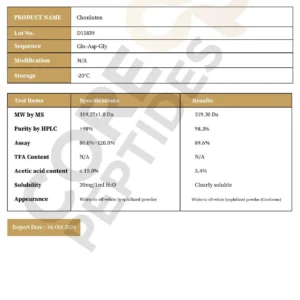
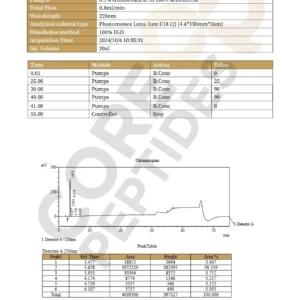
| Purity | >99% |
| SKU | P-Chonluten |
Respiratory System Regulation Research
Chonluten is characterised as an organ-specific peptide bioregulator — with its primary potential exhibited in lung tissue, reflecting the targeted nature of the Khavinson bioregulator development approach where peptide sequences are designed to exhibit preferential activity in specific tissue contexts.
The respiratory system regulation research profile of this compound encompasses two primary dimensions. First, inflammation modulation — Chonluten is investigated for its potential to regulate inflammatory signalling within respiratory tissue, reducing pathological inflammation while preserving the physiological inflammatory responses required for tissue defence. Second, cellular proliferation regulation — the balance between cell renewal and appropriate cell turnover in airway epithelial tissue is critical to bronchial function and mucosal integrity.
The compound’s proposed capacity to restore mechanisms of anabolism and catabolism — the metabolic processes of tissue building and breakdown respectively — reflects a regulatory approach to respiratory tissue homeostasis that addresses the functional balance of these opposing processes rather than targeting a single pathway in isolation.
Bronchial Mucosa Research Profile
The most specific and well-characterised research application of chonluten for sale compounds involves bronchial mucous membrane cell biology. The bronchial mucosa is the cellular lining of the airways — a complex tissue composed of ciliated epithelial cells, goblet cells, Club cells and basal progenitor cells that collectively maintain airway defence, mucociliary clearance and epithelial barrier integrity.
Research has examined Chonluten’s potential to normalise bronchial mucous membrane cell performance — an activity relevant to airway conditions where mucous membrane dysfunction contributes to pathological outcomes. The compound may potentially revitalise, regulate and provide favourable actions on airway and bronchial mucosa function — with implications for research examining airway epithelial repair and mucosal homeostasis.
The distinction between Chonluten and Bronchogen — both respiratory-targeted peptide bioregulators — lies in their specific molecular targets and proposed mechanisms. Bronchogen is characterised for lung parenchymal gene regulation (NKX2-1, SCGB genes, FOXA factors). Chonluten is characterised for bronchial mucous membrane cell normalisation — an airway surface biology focus rather than deep lung tissue regulation.
Mesenchymal Stem Cell and Senescence Research
A mechanistically significant and distinct research direction for chonluten peptide benefits investigation involves mesenchymal stem cells (MSCs) and cellular senescence.
Research has examined Chonluten’s potential to increase the lifespan of mesenchymal stem cells — the multipotent progenitor cells found in multiple tissues including bone marrow, adipose tissue and lung parenchyma, which play central roles in tissue repair and regeneration. MSC senescence — the functional exhaustion of stem cell populations with age — is considered a primary mechanism in the age-related decline of tissue repair capacity.
The investigation of molecular mechanisms that contrast senescence represents a connection between Chonluten’s respiratory biology research profile and the broader anti-aging and longevity research domain — examining whether the compound’s bioregulatory activity can modulate the senescence-associated gene expression changes that drive MSC functional decline.
This MSC lifespan extension research direction positions Chonluten as a compound of research interest at the intersection of respiratory biology, stem cell biology and aging research.
Gastrointestinal Research Context
While Chonluten’s primary research profile is respiratory — with its principal potential exhibited in lung tissue — research has also indicated possible extended activity in the gastrointestinal tract. The compound is characterised as organ-specific with primary action in airways, but the possibility of secondary GI activity has prompted investigation into whether its bioregulatory effects extend to gastrointestinal mucosal tissue biology.
This GI research direction reflects the broader potential of tripeptide bioregulators to exhibit activity in related mucosal tissue types — given the shared epithelial biology between respiratory and gastrointestinal mucosal surfaces.
Research Applications
Chonluten is investigated within the following approved in-vitro research domains:
- Respiratory system inflammation and proliferation regulation
- Bronchial mucous membrane cell normalisation research
- Airway epithelial biology and mucosal integrity studies
- Mesenchymal stem cell lifespan and senescence research
- Anti-senescence molecular mechanism investigation
- Anabolic and catabolic process restoration research
- Gastrointestinal mucosal biology investigation
- Immunomodulation in respiratory tissue context
- Tripeptide bioregulator mechanism studies
Reconstitution and Storage
Reconstitute following standard lyophilised peptide protocols appropriate to your research application. Store lyophilised powder at −20°C. Once reconstituted, maintain at 4°C and use within the timeframe specified by your research protocol. Protect from light and avoid repeated freeze-thaw cycles.
Explore additional respiratory and bioregulator research compounds in our Healing, Immunity and Anti-Age research categories.
FAQ
What is chonluten peptide? Chonluten peptide — also designated EDG tripeptide or T-34 — is a synthetic tripeptide (Glycine-Glutamine-Asparagine) bioregulator researched for its potential to regulate respiratory system physiological processes through inflammation and proliferation modulation. It is characterised for normalising bronchial mucous membrane cell performance, restoring anabolic and catabolic mechanisms, increasing mesenchymal stem cell lifespan and inducing molecular mechanisms that contrast senescence. Supplied as a 20mg lyophilised powder with >99% purity for in-vitro scientific research.
What are chonluten peptide benefits characterised in research? Chonluten peptide benefits characterised in research include respiratory system inflammation regulation, bronchial mucous membrane normalisation, airway epithelial biology investigation, mesenchymal stem cell lifespan extension research, anti-senescence molecular mechanism investigation, anabolic and catabolic process restoration and secondary gastrointestinal mucosal biology. These findings are within approved in-vitro research frameworks — this compound is not approved for therapeutic use.
Is chonluten for sale for human use? Chonluten for sale through this platform is supplied exclusively for in-vitro scientific research. It is not approved for human administration, therapeutic use against respiratory conditions or any clinical application. All research involving this compound should comply with applicable institutional and regulatory requirements.
How does chonluten differ from bronchogen in research? Both chonluten and bronchogen are respiratory-targeted Khavinson-class peptide bioregulators, but they address distinct aspects of lung biology. Bronchogen is characterised for deep lung parenchymal gene regulation — specifically NKX2-1, SCGB1A1, SCGB3A2, FOXA1 and FOXA2 transcription factors — and for pulmonary fibrosis model research. Chonluten is characterised for bronchial mucous membrane cell normalisation, airway surface biology and mesenchymal stem cell senescence research — an airway mucosa focus rather than deep lung tissue regulation.
What is chonluten’s significance in mesenchymal stem cell research? Chonluten’s significance in mesenchymal stem cell research lies in its investigated capacity to increase MSC lifespan and induce molecular mechanisms that contrast senescence. MSC senescence is a primary mechanism in age-related decline of tissue repair capacity — making compounds that may extend MSC functional lifespan of direct interest to both respiratory biology and broader aging and longevity research investigation.
Be the first to review “Chonluten (EDG / T-34) 20mg”
Related products
Longevity and Anti-aging Research
Healing and Regeneration research
Muscle Growth research
Longevity and Anti-aging Research
Immunity Enhancement Research
Healing and Regeneration research
Reproductive Health Research
Healing and Regeneration research
Reviews
There are no reviews yet.