
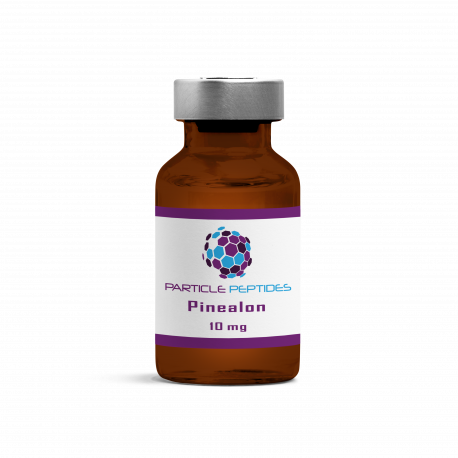
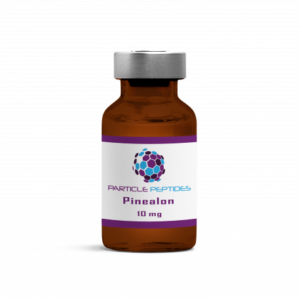
Pinealon 10mg
€49.99
Pinealon Peptide 10mg — Proven Neuroprotective Research Compound
Pinealon peptide is a synthetic tripeptide bioregulator composed of three amino acids — glutamic acid, aspartic acid and arginine — engineered to influence biological processes in the central nervous system with particular emphasis on neuroprotection, cognitive function and circadian rhythm regulation. Its documented capacity to cross the blood-brain barrier places it in a structurally and functionally distinct class among neuropeptide research compounds. Supplied as a lyophilised white powder in a single 10mg vial with a verified purity of ≥98%, this compound is manufactured to the precise standards required for in-vitro scientific research.
⚠️ Research Use Only. This product is intended exclusively for in-vitro scientific research. It is not approved for human or animal consumption, clinical use, or therapeutic application.
Table of Contents
- Product Specifications
- Bioregulator Classification
- Blood-Brain Barrier Penetration
- Neuroprotective and Cognitive Research
- Circadian Rhythm and Sleep Research
- Research Applications
- Reconstitution and Storage
- FAQ
Product Specifications
| Parameter | Detail |
|---|---|
| Peptide | Pinealon |
| Classification | Synthetic Bioregulator Tripeptide |
| Quantity | 10mg |
| Unit | 1 Vial |
| Physical Appearance | White powder |
| Salt Form | Acetate |
| Peptide Purity | ≥98% |
| Molecular Mass | 418.4 Da |
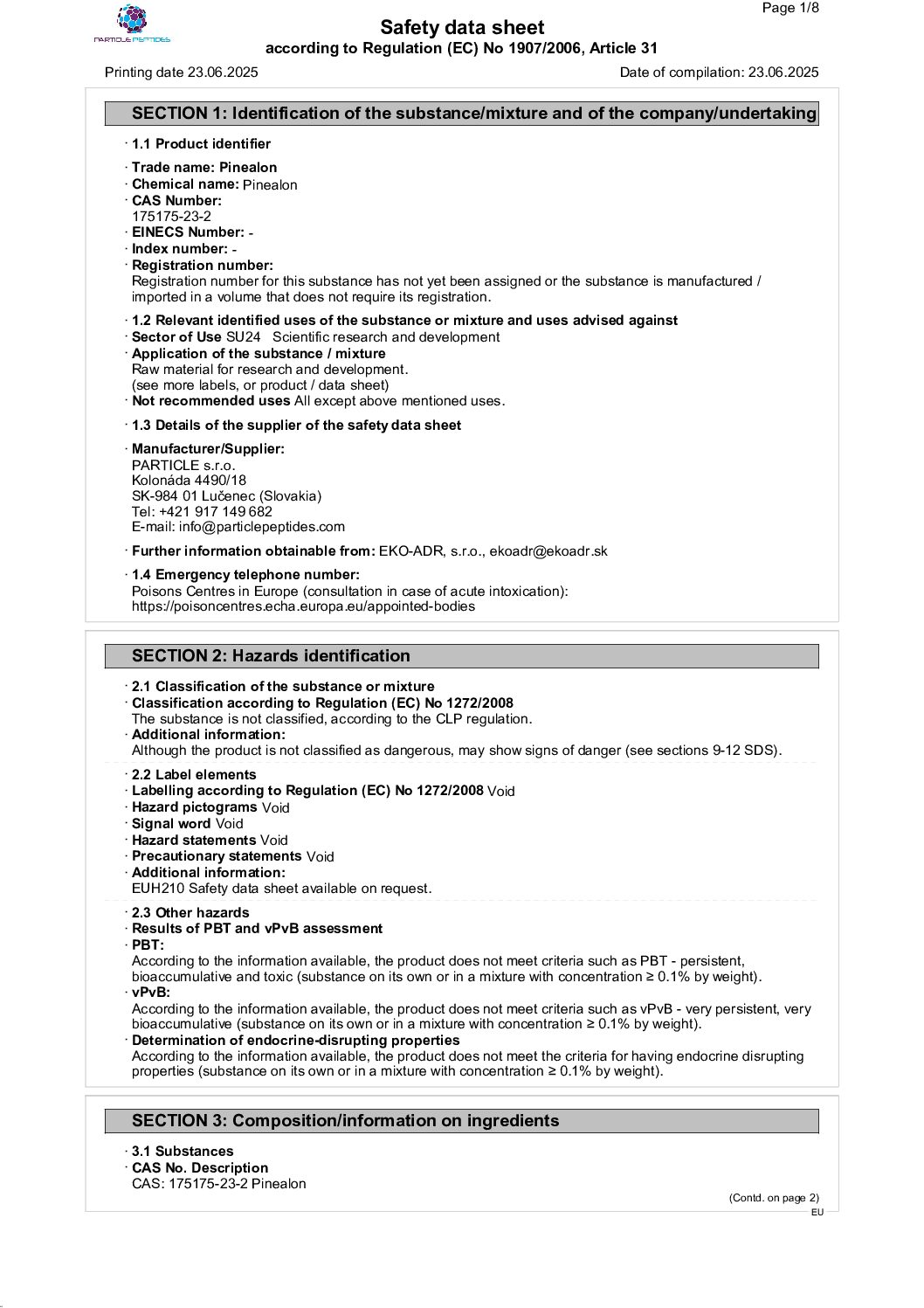
| CAS Number | 175175-23-2 |
| Solubility | Bacteriostatic water — 1ml/vial |
| Sequence | Glu-Asp-Arg |
Bioregulator Classification
Pinealon belongs to the class of research compounds designated as bioregulators — short peptides that modulate biological processes through gene regulatory mechanisms rather than simple receptor agonism or antagonism. This classification, developed through the work of Soviet and Russian peptide researchers, describes compounds capable of influencing tissue-specific gene expression patterns with a degree of selectivity arising from their short, targeted amino acid sequences.
Bioregulator peptides of this class are characterised by their ability to penetrate cell membranes, interact with DNA-binding proteins and modulate the transcription of tissue-specific gene sets. The tripeptide Glu-Asp-Arg sequence of buy pinealon research compounds is specifically associated with pineal gland and neuronal tissue bioregulation — the tissue origin that gives the compound its name.
Blood-Brain Barrier Penetration
A defining research characteristic of pinealon is its documented capacity to cross the blood-brain barrier (BBB) — the selective permeability system that restricts access of most systemic compounds to central nervous system tissue.
BBB penetration is a critical limiting factor for CNS-targeted research compounds. Many peptides of greater molecular weight fail to achieve meaningful CNS tissue concentrations following systemic administration. Pinealon’s compact tripeptide structure — with a molecular mass of just 418.4 Da — facilitates passive transcytosis and active transport mechanisms that enable CNS tissue access.
This BBB permeability makes pinealon a research compound of direct utility in central neuroprotection studies — ensuring that administered concentrations translate to meaningful CNS tissue exposure in research models rather than being excluded at the blood-brain interface.
Neuroprotective and Cognitive Research
The primary research domains for pinealon peptide benefits investigation centre on neuroprotection and cognitive function modulation. Research has characterised the compound’s potential across several neurological pathology models.
Oxidative stress resistance in neuronal tissue is a primary mechanistic area. Research has examined pinealon’s capacity to enhance neuronal resistance to reactive oxygen species — a mechanism of direct relevance to neurodegeneration research, given the established role of oxidative stress in conditions including Alzheimer’s disease pathology.
Alzheimer’s disease model research has investigated pinealon’s potential to modulate cognitive deficit progression — examining effects on memory consolidation, synaptic plasticity and the neuroinflammatory environment associated with amyloid and tau pathology.
Memory and learning enhancement research has characterised potential effects on hippocampal and cortical neuronal function — examining whether bioregulator-mediated gene expression changes translate to measurable improvements in learning and memory parameters in research models.
Neuron protection research has examined the compound’s capacity to reduce neuronal apoptosis in models of acute neurological insult — including hypoxic and ischaemic injury contexts where rapid neuronal death is the primary pathological mechanism.
Circadian Rhythm and Sleep Research
Beyond neuroprotection and cognitive function, pinealon has been investigated for its effects on circadian rhythm regulation — the biological timekeeping system that governs sleep-wake cycles, hormonal secretion patterns and metabolic rhythms.
Its designation as a pineal gland-associated bioregulator is mechanistically relevant here. The pineal gland is the primary site of melatonin synthesis and a central regulator of circadian biology. Research has examined whether pinealon’s bioregulatory activity on pineal tissue modulates melatonin synthesis patterns, circadian gene expression and the entrainment of peripheral oscillators — all mechanisms relevant to sleep quality and circadian disruption research.
Research Applications
Pinealon is investigated within the following approved in-vitro research domains:
- Neuroprotection and oxidative stress resistance in neuronal tissue
- Blood-brain barrier penetration and CNS distribution studies
- Alzheimer’s disease and neurodegeneration model research
- Memory consolidation and learning enhancement investigation
- Hippocampal and cortical neuronal function studies
- Circadian rhythm regulation and melatonin pathway research
- Sleep architecture and pineal gland bioregulation
- Neuroinflammation and glial cell response investigation
- Neuronal apoptosis protection research
Reconstitution and Storage
Reconstitute with bacteriostatic water at 1ml per vial. Add solvent slowly along the vial wall and allow to dissolve by gentle rotation. Do not shake or vortex.
Store lyophilised powder at −20°C. Once reconstituted, maintain at 4°C and use within the timeframe specified by your research protocol. Protect from light and avoid repeated freeze-thaw cycles.
Explore additional neuropeptide and cognitive research compounds in our Anti-Age, Sleep Enhancement and Cognitive research categories.
What is pinealon peptide? Pinealon peptide is a synthetic tripeptide bioregulator (Glu-Asp-Arg) associated with pineal gland and neuronal tissue regulation. It is researched for neuroprotective effects, cognitive function modulation, circadian rhythm regulation and neuronal oxidative stress resistance. Its capacity to cross the blood-brain barrier distinguishes it from many CNS-targeted research compounds that fail to achieve meaningful central tissue concentrations. Supplied as a 10mg lyophilised white powder with ≥98% purity for in-vitro scientific research.
What are pinealon peptide benefits in research? Pinealon peptide benefits characterised in research include neuroprotection against oxidative stress in neuronal tissue, potential modulation of cognitive deficit progression in Alzheimer’s disease models, memory and learning enhancement in preclinical models, circadian rhythm and melatonin pathway regulation, and neuronal apoptosis protection in acute neurological injury models. These benefits are characterised in in-vitro and preclinical research contexts — this compound is not approved for human therapeutic use.
What is pinealon dose in published research? Pinealon dose parameters in published preclinical research vary by study model, target tissue, administration route and research endpoint. In-vitro effective concentrations and in-vivo dosing parameters differ significantly across research contexts. This compound is supplied for in-vitro research use only — no therapeutic or personal dosage recommendation is made or implied. Investigators should reference peer-reviewed literature and approved institutional protocols.
Where can I buy pinealon? Buy pinealon options are available through specialist research peptide suppliers. This compound is supplied strictly for in-vitro scientific research. It is not approved for human consumption, therapeutic use or clinical application. Researchers should ensure compliance with all applicable institutional and regulatory requirements when procuring and using this compound.
How does pinealon cross the blood-brain barrier? Pinealon’s compact tripeptide structure — with a molecular mass of 418.4 Da — facilitates passive transcytosis and active transport mechanisms that enable penetration of the blood-brain barrier. This CNS access is a critical feature for neuroprotection research, ensuring that administered compound concentrations translate to meaningful central nervous system tissue exposure rather than being restricted at the blood-brain interface.
What is pinealon’s research significance in Alzheimer’s disease? In Alzheimer’s disease research, pinealon’s significance derives from its investigated capacity to reduce neuronal oxidative stress, modulate neuroinflammatory pathways and potentially influence cognitive parameter progression in disease models. Its BBB penetration enables CNS tissue access relevant to targeting the central neurodegeneration processes implicated in Alzheimer’s pathology. All research is within approved in-vitro and preclinical frameworks.
2 reviews for Pinealon 10mg
Add a review
Related products
Longevity and Anti-aging Research
Cognitive Enhancement Research
Longevity and Anti-aging Research
Cognitive Enhancement Research
Weight Loss Research
Cognitive Enhancement Research
Longevity and Anti-aging Research
Longevity and Anti-aging Research
vorbelutrioperbir –
It’s really a nice and useful piece of information. I’m satisfied that you just shared this helpful info with us. Please stay us up to date like this. Thank you for sharing.
zoritoler imol –
I’ll right away grasp your rss as I can not in finding your e-mail subscription link or e-newsletter service. Do you have any? Kindly permit me understand so that I could subscribe. Thanks.