
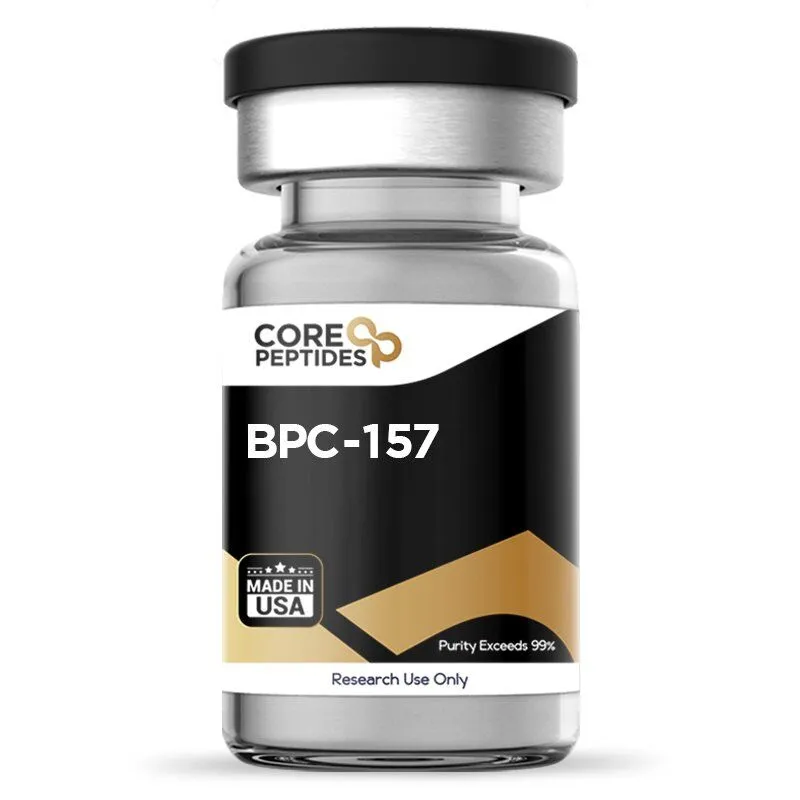
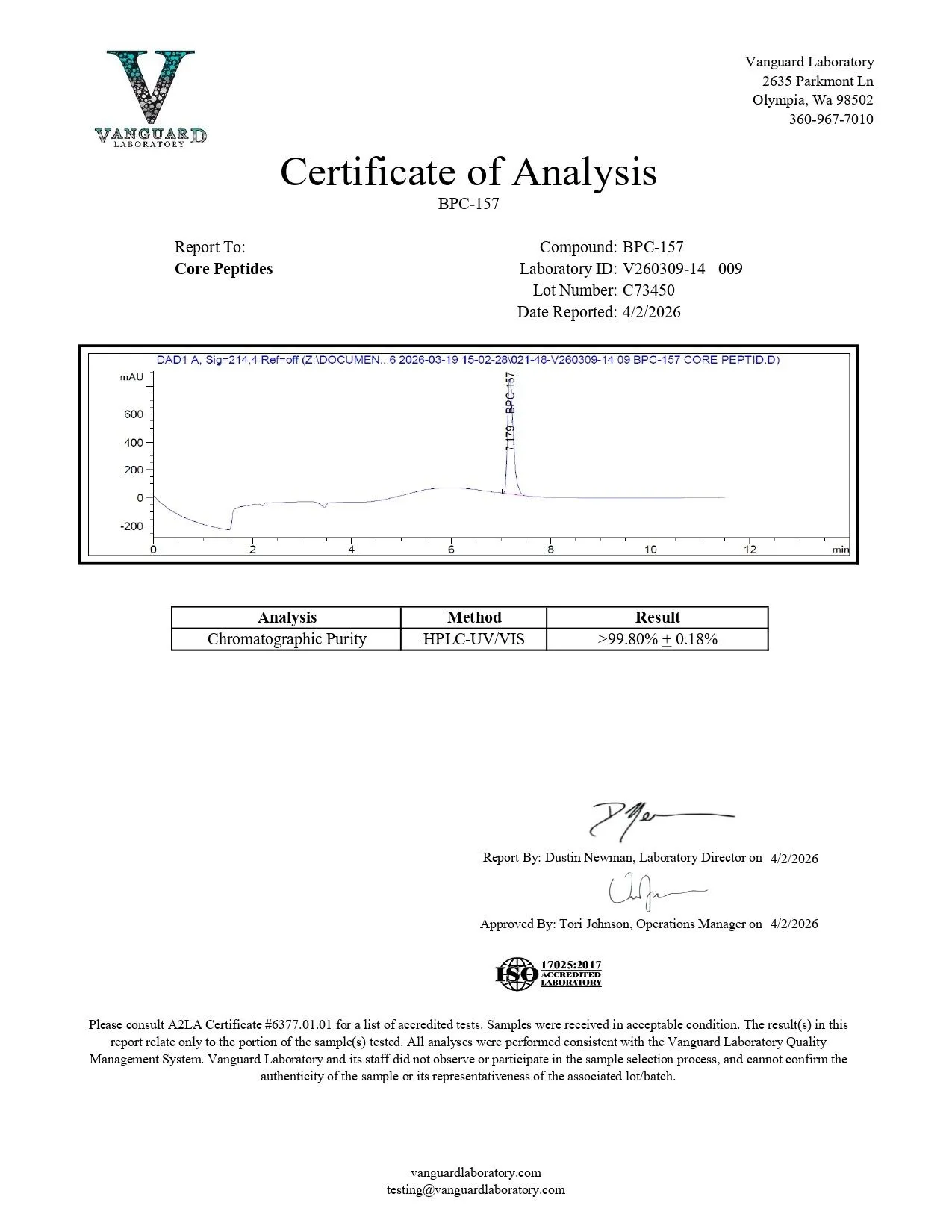
BPC-157 Pentadecapeptide 5mg / 10mg
$46.80 $87.30Price range: $46.80 through $87.30
BPC 157 For Sale — Proven Body Protection Compound Peptide 5mg / 10mg
BPC 157 for sale in research-grade form is the synthetic preparation of Body Protection Compound 157 — a 15-amino-acid peptide fragment isolated from gastric juice, also widely known as pentadecapeptide BPC 157. This compound has been characterised across numerous research studies for its potential protective properties — specifically its investigated capacity to assist with healing in joint, tendon, muscle and nerve tissue. Available in both 5mg and 10mg vials with a verified purity of >99%, this compound is formulated to the exacting standards required for in-vitro scientific research.
⚠️ Research Use Only. This product is intended exclusively for in-vitro scientific research. It is not approved for human or animal consumption, clinical use, or therapeutic application.
Table of Contents
- Product Specifications
- Gastric Origin and Peptide Classification
- Musculoskeletal and Connective Tissue Research
- Nerve Tissue Research
- Broader Tissue Protection Research
- Research Applications
- Reconstitution and Storage
- FAQ
Product Specifications
| Parameter | Detail |
|---|---|
| Peptide | BPC-157 (Pentadecapeptide BPC 157) |
| Full Name | Body Protection Compound 157 |
| Residues | 15 amino acids |
| Quantity | 5mg or 10mg |
| Unit | 1 Vial |
| Form | Lyophilised powder |
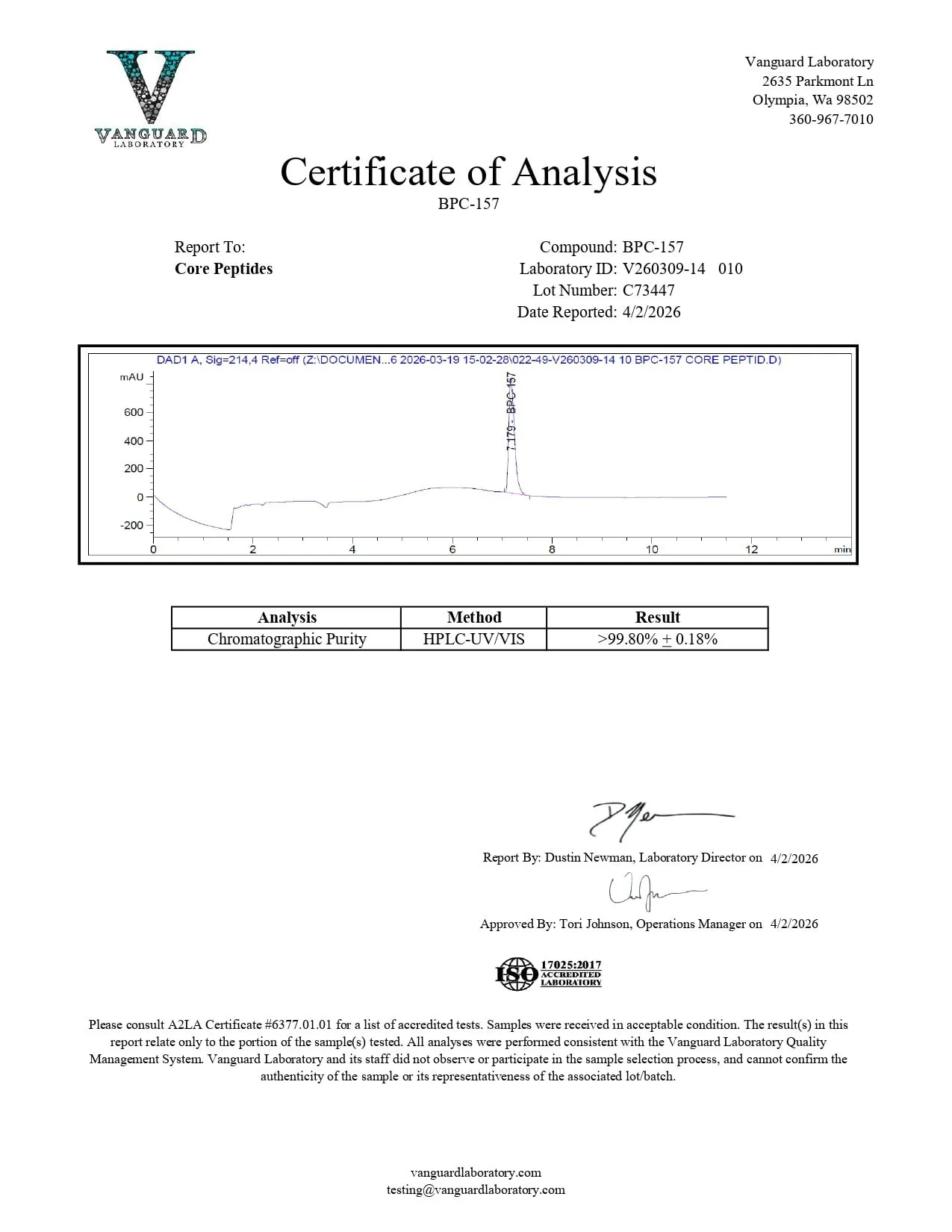
| Purity | >99% |
| SKU | P-BPC157 |
| Origin | Amino acid fragment isolated from gastric juice |
Gastric Origin and Peptide Classification
BPC 157 peptide for sale represents a research compound with an unusual origin story in the peptide category. Unlike the majority of research peptides that are derived from hormones, cytokines or regulatory proteins, BPC-157 is an amino acid fragment originally isolated from gastric juice — the digestive fluid produced by the stomach.
The gastric origin of BPC-157 is mechanistically significant. The stomach is one of the most physiologically demanding environments in the body — exposed to hydrochloric acid, pepsin and mechanical stress continuously. Peptides that survive and function in this environment have inherent stability characteristics relevant to their research utility in other tissue contexts.
As a pentadecapeptide — a peptide composed of exactly 15 amino acids — buy bpc 157 research interest encompasses the compound’s investigated ability to exert protective and healing-related biological activity across tissue types well beyond its site of isolation. This translatability of gastric peptide activity to musculoskeletal, neural and other tissue contexts is a defining feature of BPC-157’s research profile and has driven sustained scientific interest across multiple decades of investigation.
Musculoskeletal and Connective Tissue Research
The most extensively characterised research applications of bpc 157 for sale involve musculoskeletal and connective tissue healing — specifically joint, tendon and muscle tissue repair.
Tendon healing research has examined BPC-157’s potential to accelerate tendon repair in preclinical injury models — with proposed mechanisms involving upregulation of growth factor expression, promotion of tenocyte proliferation and migration, and modulation of the inflammatory microenvironment at injury sites toward resolution rather than chronic inflammation.
Joint tissue research has investigated BPC-157’s potential protective effects against cartilage degradation and joint inflammation — examining its utility in osteoarthritis-adjacent models and acute joint injury research.
Muscle tissue repair research has characterised the compound’s potential to support recovery from muscle contusion and crush injury — examining whether BPC-157’s investigated growth factor interactions translate to improved muscle regeneration outcomes in preclinical research models.
Nerve Tissue Research
A distinct and scientifically significant research domain for bpc 157 peptide for sale is nerve tissue investigation — the extension of BPC-157’s protective profile into the neural biology context.
Peripheral nerve injury repair research has examined BPC-157’s potential to support nerve fibre regeneration and functional recovery in preclinical peripheral nerve injury models. The proposed mechanisms involve both direct neuroprotective activity and promotion of the Schwann cell function critical to peripheral nerve remyelination and repair.
Central nervous system research has extended the nerve tissue investigation to brain and spinal cord injury models — examining whether BPC-157’s protective properties translate to neural tissue in the more complex CNS environment.
Broader Tissue Protection Research
Beyond musculoskeletal and neural applications, bpc 157 online research availability has facilitated investigation across several additional tissue protection domains that reflect the breadth of BPC-157’s proposed protective properties.
Gastrointestinal research has examined the compound’s utility in gut injury models — consistent with its gastric origin and the endogenous protective role that gastric BPC-derived peptides may play in gastrointestinal mucosal defence.
Cardiovascular research has investigated BPC-157’s potential protective effects in cardiac tissue models — examining angiogenic mechanisms and the compound’s potential to promote vascular healing.
Anti-inflammatory pathway research has characterised BPC-157’s capacity to modulate inflammatory mediator expression across multiple tissue types — providing a mechanistic foundation for its broad tissue-protective research profile.
Research Applications
BPC-157 is investigated within the following approved in-vitro research domains:
- Tendon healing and tenocyte biology research
- Joint tissue and cartilage protection studies
- Muscle tissue repair and contusion recovery research
- Peripheral nerve injury repair and Schwann cell function
- Central nervous system tissue protection investigation
- Gastrointestinal mucosal protection research
- Cardiovascular angiogenesis and vascular healing
- Growth factor modulation and expression research
- Anti-inflammatory pathway investigation across tissue types
Reconstitution and Storage
Reconstitute following standard lyophilised peptide protocols appropriate to your research application. Store lyophilised powder at −20°C. Once reconstituted, maintain at 4°C and use within the timeframe specified by your research protocol. Protect from light and avoid repeated freeze-thaw cycles.
Explore additional tissue healing and repair research compounds in our Healing, Anti-Age and Immunity research categories.
FAQ
What is BPC 157 for sale? BPC 157 for sale is the synthetic research preparation of Body Protection Compound 157 — a 15-amino-acid pentadecapeptide fragment originally isolated from gastric juice. Studied extensively for its potential to assist with healing in joint, tendon, muscle and nerve tissue, it carries a protective research profile spanning musculoskeletal, neural, gastrointestinal and cardiovascular domains. Available in 5mg and 10mg vials with >99% purity for in-vitro scientific research.
What is BPC 157 peptide for sale used for in research? BPC 157 peptide for sale is used in approved in-vitro research investigating tendon healing and tenocyte biology, joint tissue and cartilage protection, muscle tissue repair, peripheral nerve injury regeneration, CNS tissue protection, gastrointestinal mucosal protection, cardiovascular angiogenesis and anti-inflammatory pathway investigation across multiple tissue types. All applications are within approved in-vitro and preclinical research frameworks.
What does BPC 157 cost and how does the 5mg vs 10mg format compare? BPC 157 cost varies between the 5mg and 10mg formats available for this research compound. The 5mg format is appropriate for initial research investigation, single experimental series or lower-volume assay requirements. The 10mg format offers better per-milligram value for extended research programmes, multiple experimental series or larger-scale cell culture studies requiring consistent batch material. Both formats carry identical >99% purity specification.
What is BPC 157 price for research-grade preparations? BPC 157 price for research-grade lyophilised preparations reflects the compound’s 15-amino-acid sequence complexity, >99% purity specification and the quality standards required for reproducible in-vitro research. Price reference details are provided in the product specifications above. For research budget planning, the 10mg format typically offers improved per-milligram economics for sustained research programmes.
Where can I find BPC 157 online? BPC 157 online is available through specialist research peptide suppliers. This compound is supplied strictly for in-vitro scientific research. It is not approved for human consumption, therapeutic use or clinical application. Researchers should verify supplier purity documentation, batch testing credentials and sequence verification before procurement.
Is core peptides BPC 157 the same compound as research-grade BPC-157? Research-grade BPC-157 is standardised by sequence (Body Protection Compound 157, 15 amino acids) and purity specification (>99%). The source supplier does not alter the fundamental compound — what matters in assessing quality is the documented purity, sequence verification and batch testing provided with each preparation. This product carries >99% purity specification and is manufactured to in-vitro research standards.
| Select Size | 10mg, 5mg |
|---|
2 reviews for BPC-157 Pentadecapeptide 5mg / 10mg
Add a review
Related products
Healing and Regeneration research
Particle Peptides
Longevity and Anti-aging Research
Cognitive Enhancement Research
Longevity and Anti-aging Research
Core Peptides
Muscle Growth research
Healing and Regeneration research
vorbelutr ioperbir –
Hi, Neat post. There is an issue together with your web site in internet explorer, might check this… IE still is the market leader and a big section of other folks will miss your great writing because of this problem.
📊 Transaction 236,538 $. GET ->> graph.org/BALANCE-3682444-USD-04-21-2?hs=3b6f3b1ebf7898e9170ecace83c5e69f& 📊 –
5zu4x6