
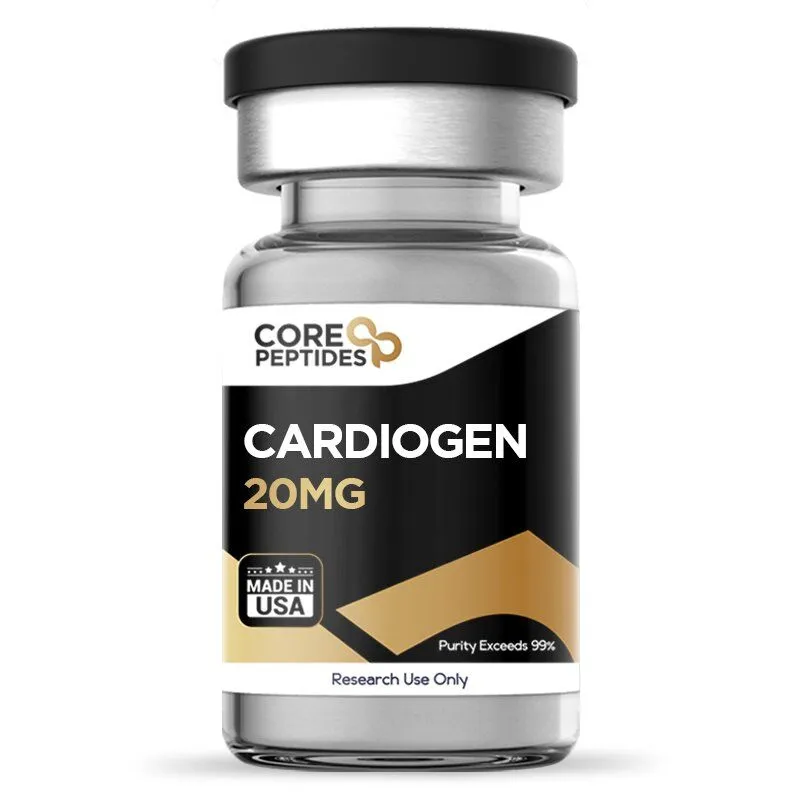
Cardiogen 20mg
$67.50
Cardiogen Peptide 20mg — Proven Cardiovascular Research Compound
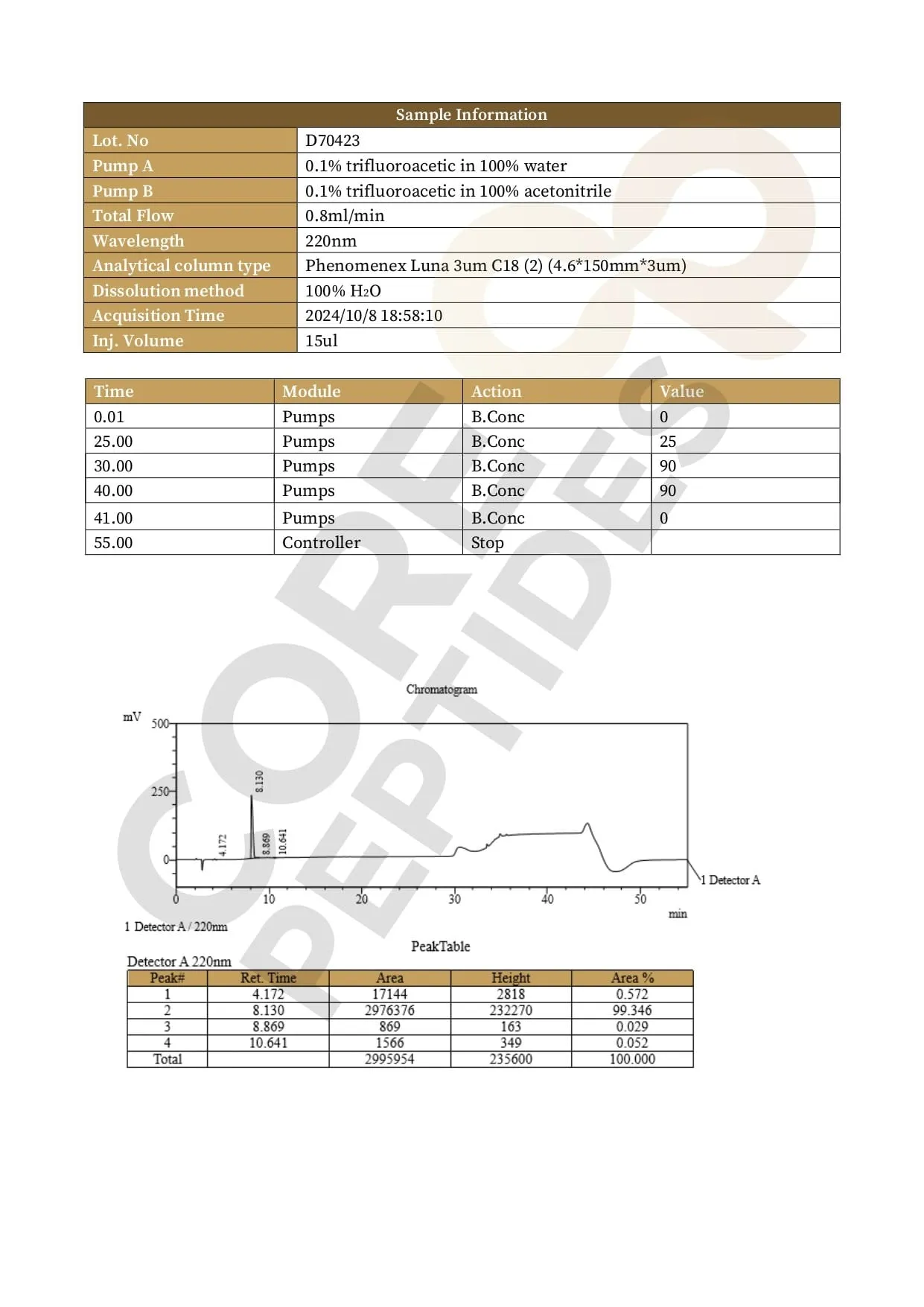
Cardiogen peptide is a peptide bioregulator considered by researchers to potentially regulate fibroblasts — the primary cell type responsible for scar formation and tissue repair in the extracellular matrix. Widely investigated for its potential interactions with cardiovascular system tissue, this compound has also attracted research interest in other tissue contexts through its fibroblast-modulating activity and its investigated capacity to increase tumour cell apoptosis. Supplied as a lyophilised powder in a single 20mg vial with a verified purity of >99%, this compound is manufactured for in-vitro scientific research.
⚠️ Research Use Only. This product is intended exclusively for in-vitro scientific research. It is not approved for human or animal consumption, clinical use, or therapeutic application.
Table of Contents
- Product Specifications
- Fibroblast Biology and Research Context
- Cardiovascular Research Profile
- Fibroblast Activity Beyond Cardiovascular Tissue
- Tumour Cell Apoptosis Research
- Research Applications
- Reconstitution and Storage
- FAQ
Product Specifications
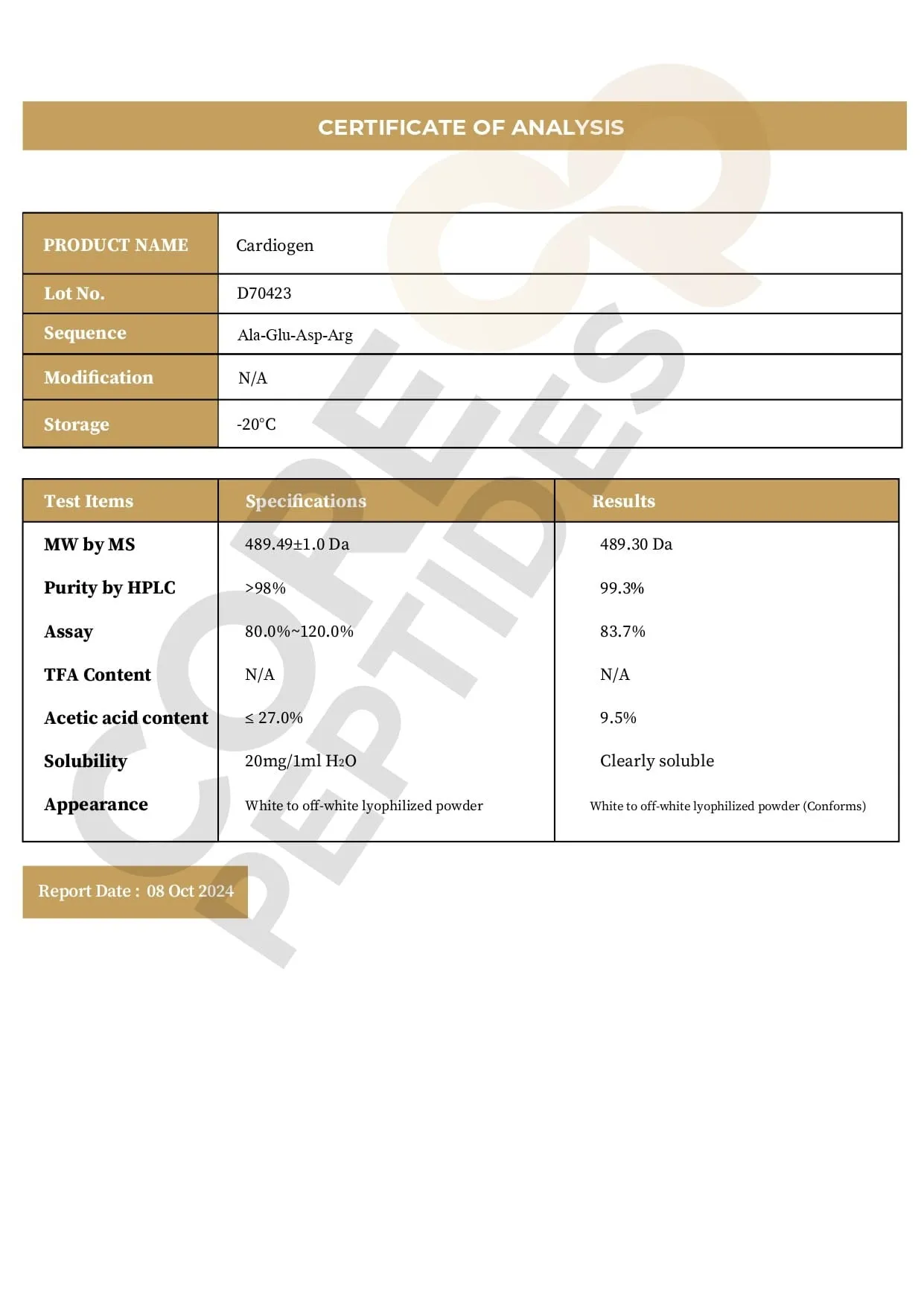
| Parameter | Detail |
|---|---|
| Peptide | Cardiogen |
| Classification | Peptide Bioregulator |
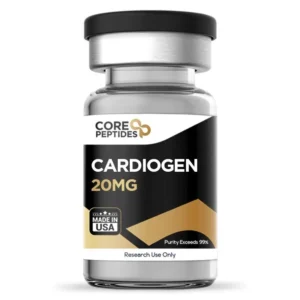
| Quantity | 20mg |
| Unit | 1 Vial |
| Form | Lyophilised powder |
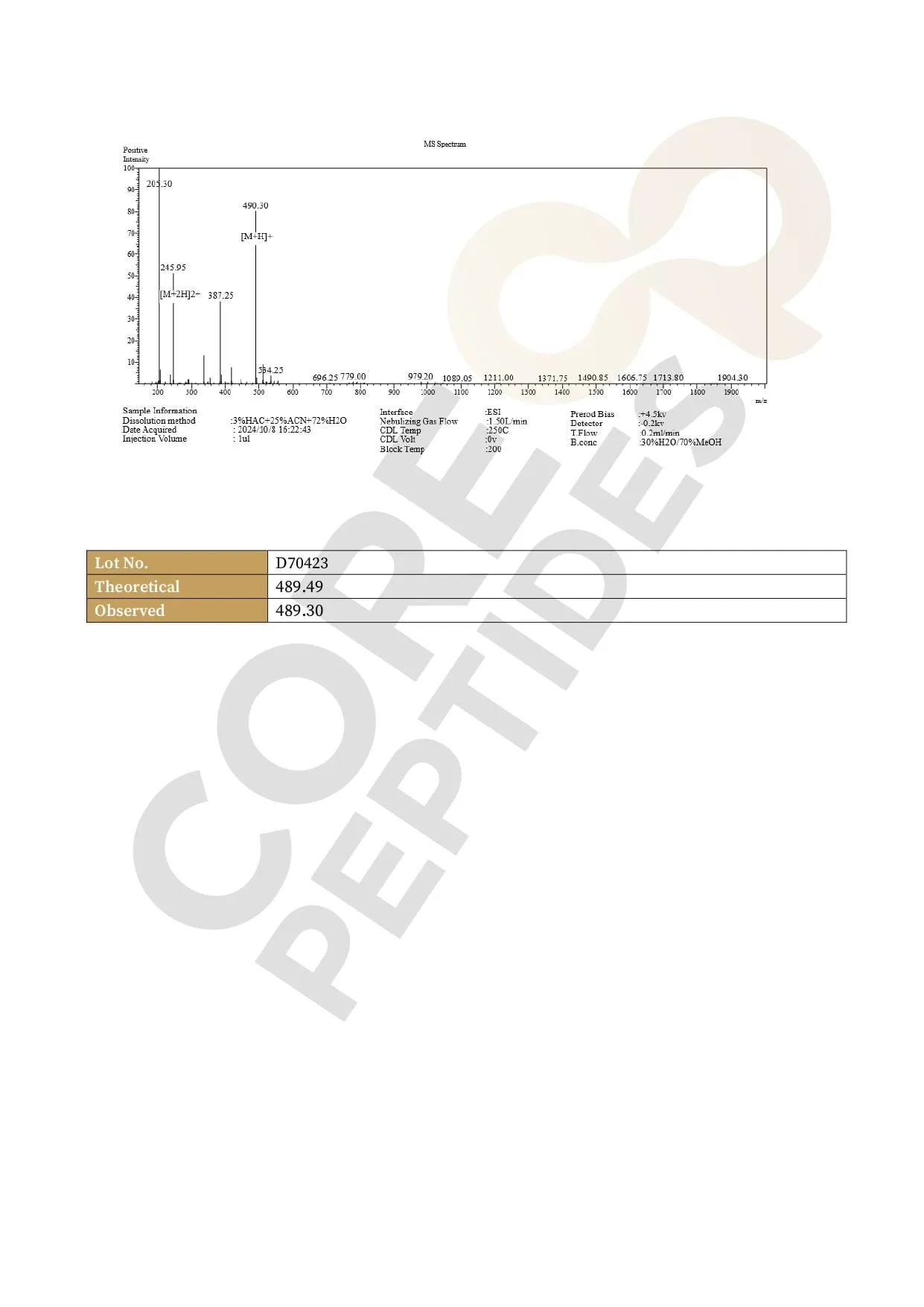
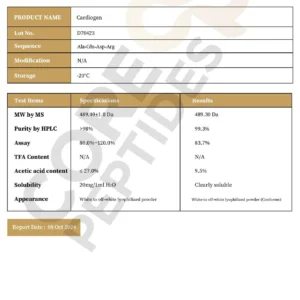
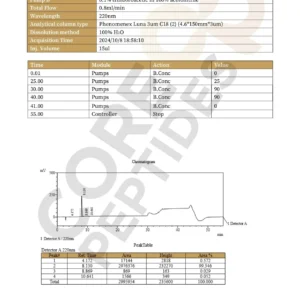
| Purity | >99% |
| SKU | P-cardiogen |
Fibroblast Biology and Research Context
The primary mechanistic focus of cardiogen research centres on fibroblasts — a cell type of fundamental importance to tissue repair, scar formation and extracellular matrix maintenance across multiple organ systems.
Fibroblasts are the principal producers of extracellular matrix components — including collagen, elastin and fibronectin — in connective tissue. Their activation is the primary driver of scar formation following injury, and their dysregulated activity is a key pathological mechanism in fibrotic disease across cardiac, pulmonary, renal and other tissue contexts. Simultaneously, fibroblasts play essential roles in wound healing, tissue repair and the maintenance of structural tissue integrity under normal physiological conditions.
The peptide bioregulator classification of Cardiogen places it within the category of short signalling peptides suggested to modulate biological processes at the cellular and molecular level — potentially influencing fibroblast gene expression, proliferation and functional activity through the targeted regulatory mechanisms characteristic of this compound class.
Cardiovascular Research Profile
The most extensively researched application of cardiogen for sale compounds is cardiovascular system tissue biology. The heart and associated vascular structures contain significant fibroblast populations — cardiac fibroblasts constitute approximately 30% of cardiac cells by number and play critical roles in maintaining myocardial structure, responding to cardiac injury and mediating the fibrotic remodelling that occurs following myocardial infarction.
Research has examined Cardiogen’s potential to modulate cardiac fibroblast activity — investigating whether its bioregulatory properties can influence the balance between adaptive and maladaptive fibroblast responses in cardiac tissue. Maladaptive cardiac fibroblast activation — characterised by excessive collagen deposition and myocardial stiffening — is a primary mechanism in heart failure progression and a significant research target in cardiovascular biology.
The broader cardiovascular relevance of fibroblast regulation extends to vascular smooth muscle cell biology, adventitial fibroblast function and the fibrotic components of atherosclerotic plaque development — all areas where Cardiogen’s fibroblast-modulating properties provide mechanistic research relevance.
Fibroblast Activity Beyond Cardiovascular Tissue
Recent research has expanded the investigation of cardiogen peptide benefits beyond the cardiovascular context — examining whether the compound’s fibroblast-modulating activity is functionally relevant in other tissue systems where fibroblast biology is important.
Fibroblasts are present in virtually all connective tissue throughout the body — making a fibroblast-regulating bioregulator of potential research relevance across dermal wound healing, pulmonary fibrosis, renal fibrosis, joint tissue biology and multiple other contexts. Research investigating Cardiogen’s activity in non-cardiac tissue models is expanding the compound’s research profile beyond its original cardiovascular application domain.
This tissue-broadening research direction reflects a broader trend in bioregulator peptide investigation — where compounds initially characterised for organ-specific activity are subsequently found to have functional relevance in other tissue contexts through shared cellular mechanisms.
Tumour Cell Apoptosis Research
A distinct and mechanistically significant area of Cardiogen research involves its investigated capacity to increase tumour cell apoptosis — programmed cell death — in cancer cell line models.
Scientists believe Cardiogen may increase tumour cell apoptosis through its fibroblast-modulating and potentially broader cellular regulatory properties. The tumour microenvironment contains significant fibroblast populations — cancer-associated fibroblasts (CAFs) — that actively support tumour growth, invasion and immune evasion through secretory and matrix-remodelling activities. Research examining whether Cardiogen’s fibroblast-modulating properties affect CAF function in tumour biology represents an intersection of its cardiovascular research foundation and oncological investigation.
Direct tumour cell apoptosis induction — independent of fibroblast modulation — has also been investigated, examining whether Cardiogen’s bioregulatory activity extends to direct effects on cell survival signalling in malignant cell populations.
Research Applications
Cardiogen is investigated within the following approved in-vitro research domains:
- Cardiac fibroblast regulation and fibrosis research
- Cardiovascular tissue repair and remodelling biology
- Myocardial fibrosis and heart failure mechanism investigation
- Vascular fibroblast and smooth muscle cell research
- Fibroblast activity modulation in non-cardiac tissue models
- Tumour cell apoptosis and cancer-associated fibroblast research
- ECM synthesis and collagen deposition regulation
- Peptide bioregulator mechanism and gene regulatory studies
Reconstitution and Storage
Reconstitute following standard lyophilised peptide protocols appropriate to your research application. Store lyophilised powder at −20°C. Once reconstituted, maintain at 4°C and use within the timeframe specified by your research protocol. Protect from light and avoid repeated freeze-thaw cycles.
Explore additional cardiovascular and healing research compounds in our Healing, Anti-Age and Immunity research categories.
FAQ
What is cardiogen peptide? Cardiogen peptide is a peptide bioregulator considered to potentially regulate fibroblast activity — cells central to scar formation and tissue repair. Widely researched for its interactions with cardiovascular system tissue, it has also demonstrated research relevance in other tissue contexts through its fibroblast-modulating properties and its investigated capacity to increase tumour cell apoptosis. Supplied as a 20mg lyophilised powder with >99% purity for in-vitro scientific research.
What are cardiogen peptide benefits characterised in research? Cardiogen peptide benefits characterised in research include cardiac fibroblast activity modulation, cardiovascular tissue repair investigation, fibrotic remodelling research in cardiac and other tissue contexts, exploration of fibroblast biology beyond cardiovascular tissue and tumour cell apoptosis investigation. These findings are characterised in approved in-vitro and preclinical research frameworks — this compound is not approved for therapeutic use.
Is cardiogen for sale for human therapeutic use? Cardiogen for sale through this platform is supplied exclusively for in-vitro scientific research. It is not approved for human administration, therapeutic use against cardiovascular disease, cardiac fibrosis or any other clinical application. All research involving this compound should comply with applicable institutional and regulatory requirements.
What is the fibroblast biology significance of cardiogen research? Fibroblasts constitute approximately 30% of cardiac cells by number and are the primary drivers of collagen deposition and scar formation in injured cardiac tissue. Maladaptive cardiac fibroblast activation is a key mechanism in heart failure progression. Cardiogen’s investigated capacity to modulate fibroblast activity makes it a research compound of direct relevance to cardiac fibrosis biology — and its broader fibroblast regulatory activity extends this relevance to other fibrotic disease research contexts.
What is cardiogen’s tumour cell apoptosis research significance? The tumour cell apoptosis research significance of cardiogen derives from two investigated mechanisms — direct effects on cell survival signalling in malignant cell populations, and potential modulation of cancer-associated fibroblast (CAF) function in the tumour microenvironment. CAFs actively support tumour progression through secretory and matrix-remodelling activities, making a fibroblast-regulating compound like cardiogen of potential research relevance to cancer biology investigation.
1 review for Cardiogen 20mg
Add a review
Related products
Healing and Regeneration research
Longevity and Anti-aging Research
Core Peptides
Longevity and Anti-aging Research
Core Peptides
Healing and Regeneration research
Cognitive Enhancement Research
Longevity and Anti-aging Research
zoritoler imol –
I really appreciate this post. I have been looking all over for this! Thank goodness I found it on Bing. You’ve made my day! Thx again!